Home
Blog
Oppora’s Claude MCP is Live. Connect our Email Database & Outreach features with any tool to build smart automations inside Claude.
Home
Blog
Ravikanth
Published April 16, 2026
16 min
Try Oppora AI
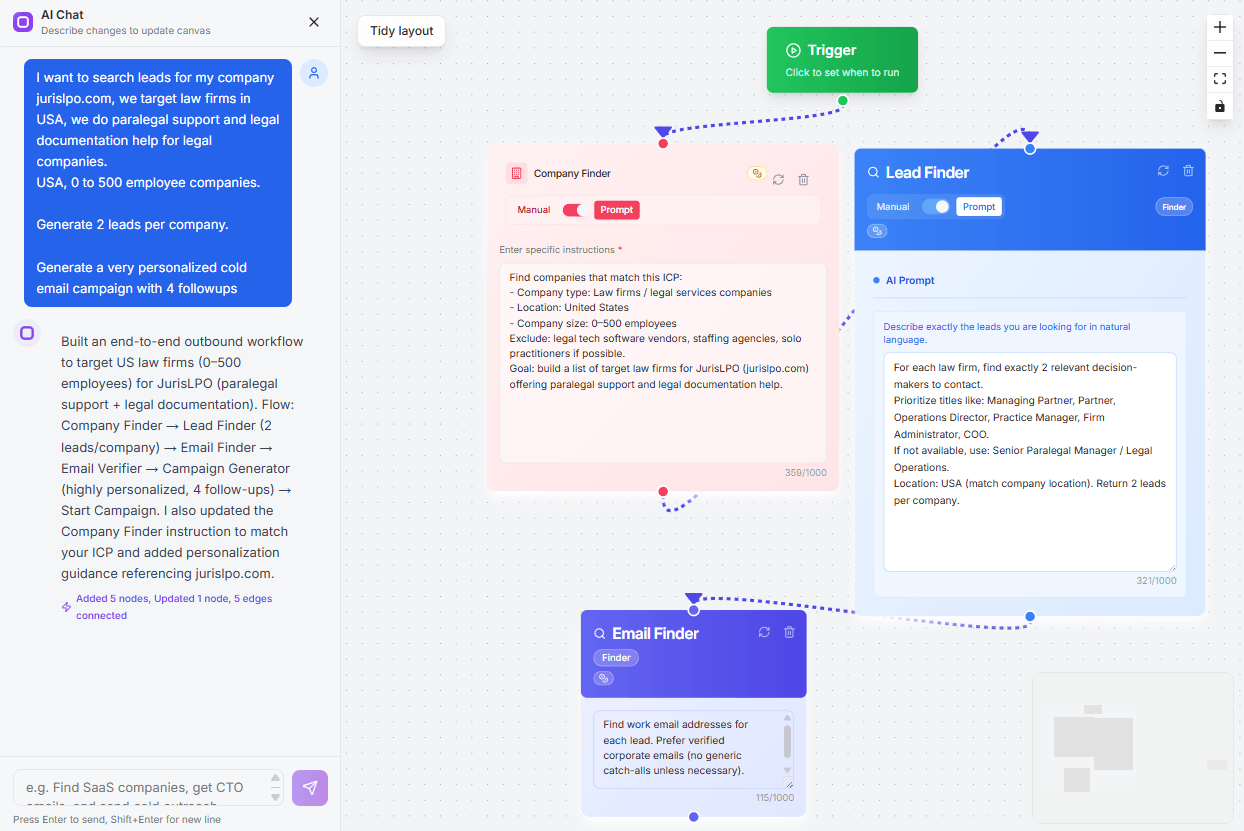
Create Self-Running Agentic Sales Workflows like N8N just by chatting with AI
Get Started for FREE
If you’ve ever tried building a lead list, you’ve probably come across RocketReach.
It’s one of the most popular tools for finding B2B contact data, especially emails and phone numbers tied to professionals and companies.
But as your outreach scales, a few gaps start to show.
Credit-based pricing limits volume, automation is minimal, and enrichment often feels incomplete.
That’s exactly why many teams start looking for a RocketReach alternative—something that not only finds contacts but also verifies and enriches them in one seamless workflow.
Once you use RocketReach regularly, its limitations become clear.
From pricing constraints to limited enrichment and automation, teams often rely on multiple tools to complete their workflow.
That’s why many users look for a better rocketreach alternative that combines everything in one place.
At first, the credit system feels manageable. Users sharing their experience here
But as you increase usage, credits disappear faster than expected, especially when you’re testing multiple prospects or building large lists.
Many users mention frustration with paying per lookup, even when the data isn’t usable.
This makes scaling outreach unpredictable, since your costs rise directly with every search instead of supporting consistent growth.
Another common concern is data reliability. You can see people talking about this here
Users often report outdated emails, missing fields, or incorrect contact details that require manual verification.
This directly impacts your campaigns.
Higher bounce rates, lower deliverability, and wasted effort become common when your contact data isn’t consistently accurate or up to date.
RocketReach focuses mainly on data retrieval. based on user discussions here
Once you have the contact, everything else—email verification, sequencing, follow-ups—needs to happen in separate tools.
This creates a disconnected workflow.
Instead of moving fast, you spend more time switching between platforms, which slows down execution and adds unnecessary complexity to your outbound process.
While RocketReach provides basic contact details, deeper enrichment is often missing. This is something users complain about here
You don’t get strong intent signals, detailed firmographics, or meaningful context that helps personalize outreach.
As a result, your messaging becomes generic.
And when personalization drops, response rates usually follow, making it harder to stand out in crowded inboxes.
RocketReach can work well for individuals or small-scale prospecting. This discussion highlights the issue
But once teams grow, limitations start to show.
Managing large campaigns, coordinating across SDRs, and maintaining consistent workflows becomes difficult without built-in systems for scale.
This is where many agencies and outbound teams begin actively looking for a more scalable rocketreach alternative.
Now that you’ve seen where RocketReach falls short, here’s what actually matters in a better alternative.
We focused on:
The goal was simple—find rocketreach alternatives that improve your entire outbound process, not just contact data.
Now that you know what to look for, let’s explore tools that actually solve these gaps.
These aren’t just contact databases.
They combine verification, enrichment, and automation, so you can go from finding leads to reaching out—all in one place.
If you’re looking for a reliable rocketreach alternative, this list will help you choose based on your needs and scale.
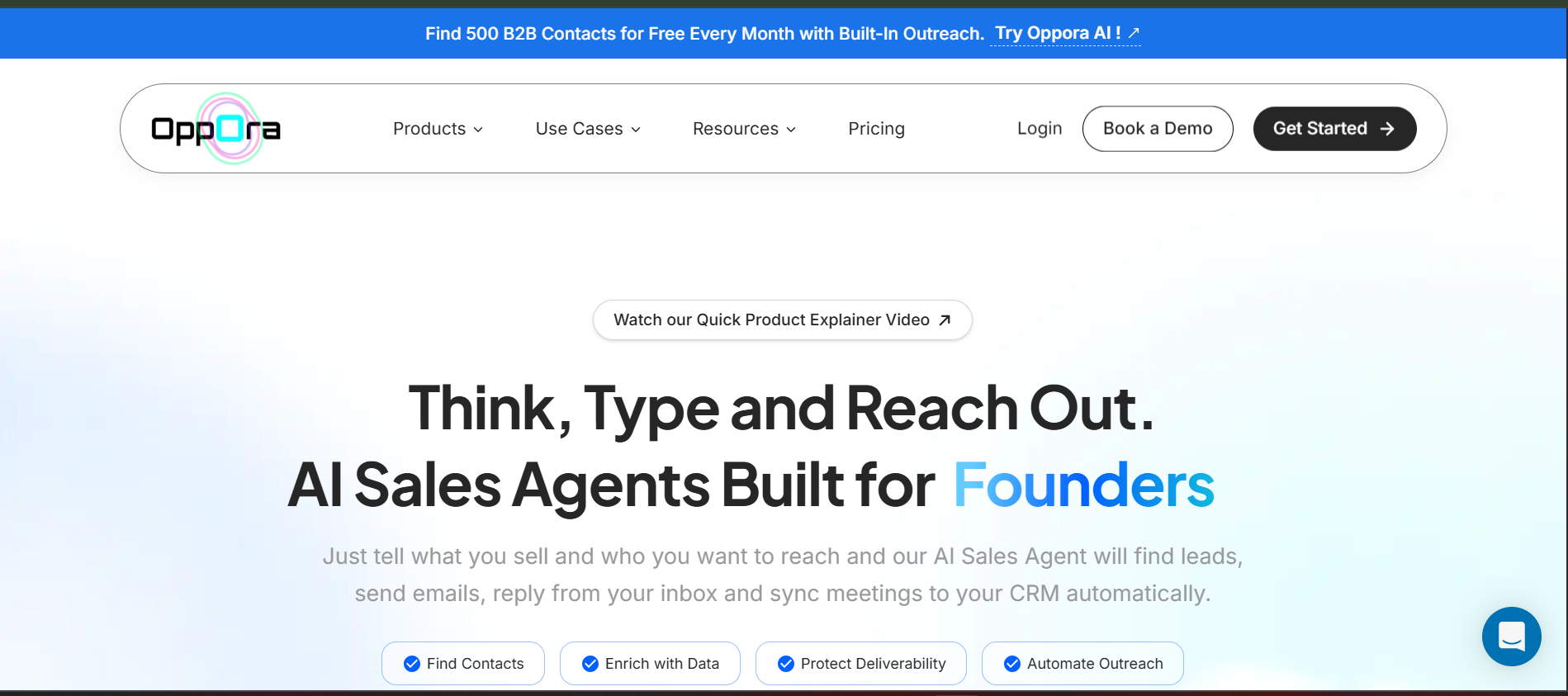
If you’re looking for a true upgrade over RocketReach, Oppora.ai doesn’t just improve one part of the process—it replaces the entire workflow.
You still get everything you expect from a typical contact data tool.
But the real difference shows up after you find leads.
Oppora doesn’t stop at data.
It helps you turn those leads into actual conversations without switching tools.
So instead of stitching together multiple tools, you’re running one complete outbound system.
It also includes:
Pricing is where it stands out even more.
Oppora combines lead generation, enrichment, and outreach into one automated workflow.
Oppora is designed to remove manual work and replace multiple tools with one system.
Pros:
Cons:
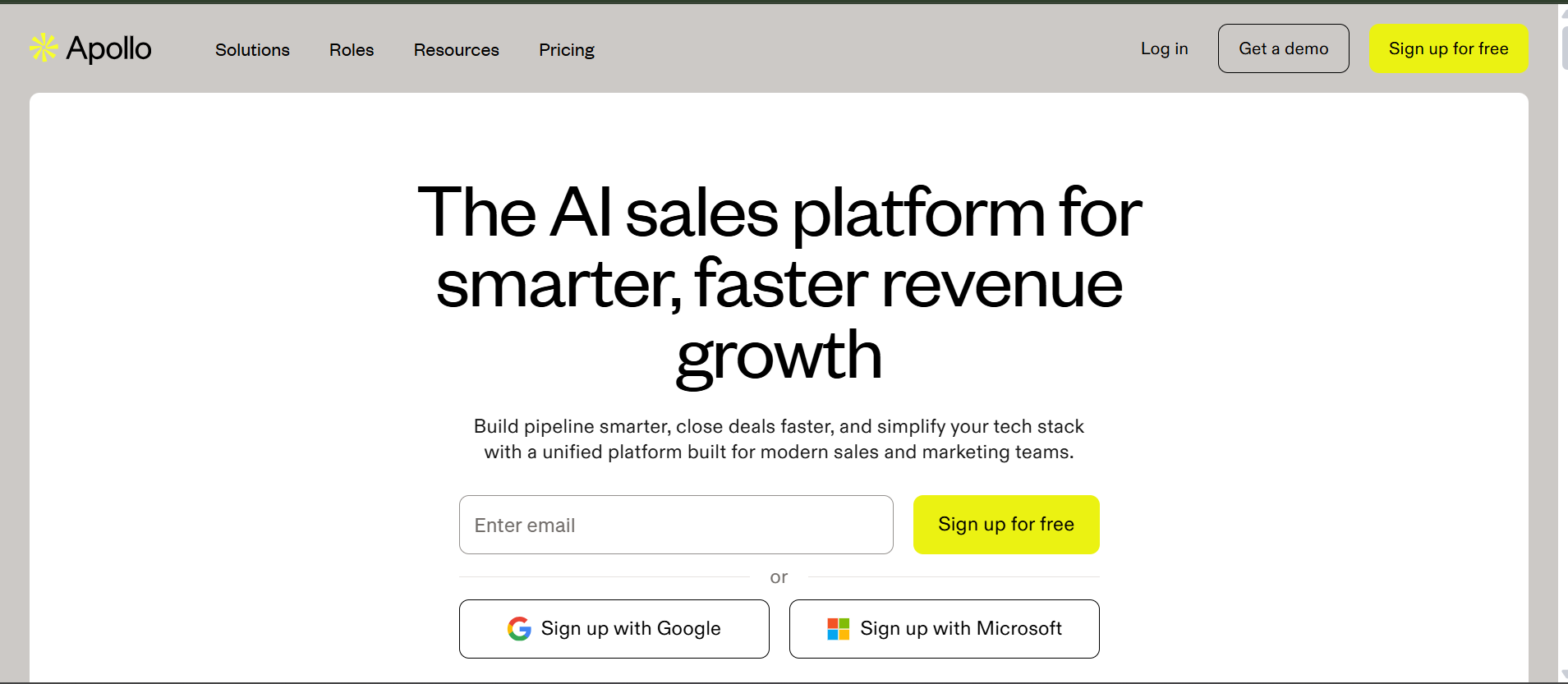
If you want a balance between contact data and outreach, Apollo.io is one of the most widely used rocketreach alternatives.
It combines 1 large B2B database with built-in sales engagement features, making it more than just a contact finder.
You can search for leads, verify emails, and launch campaigns from the same platform.
This makes it especially useful for SDRs and small teams who want 1 tool instead of managing 3–4 separate tools.
However, as you scale, the platform can feel slightly complex and still relies on credit-based usage for certain actions.
Apollo.io offers a mix of data and outreach capabilities in one platform.
Apollo is powerful but comes with a few trade-offs.
Pros:
Cons:
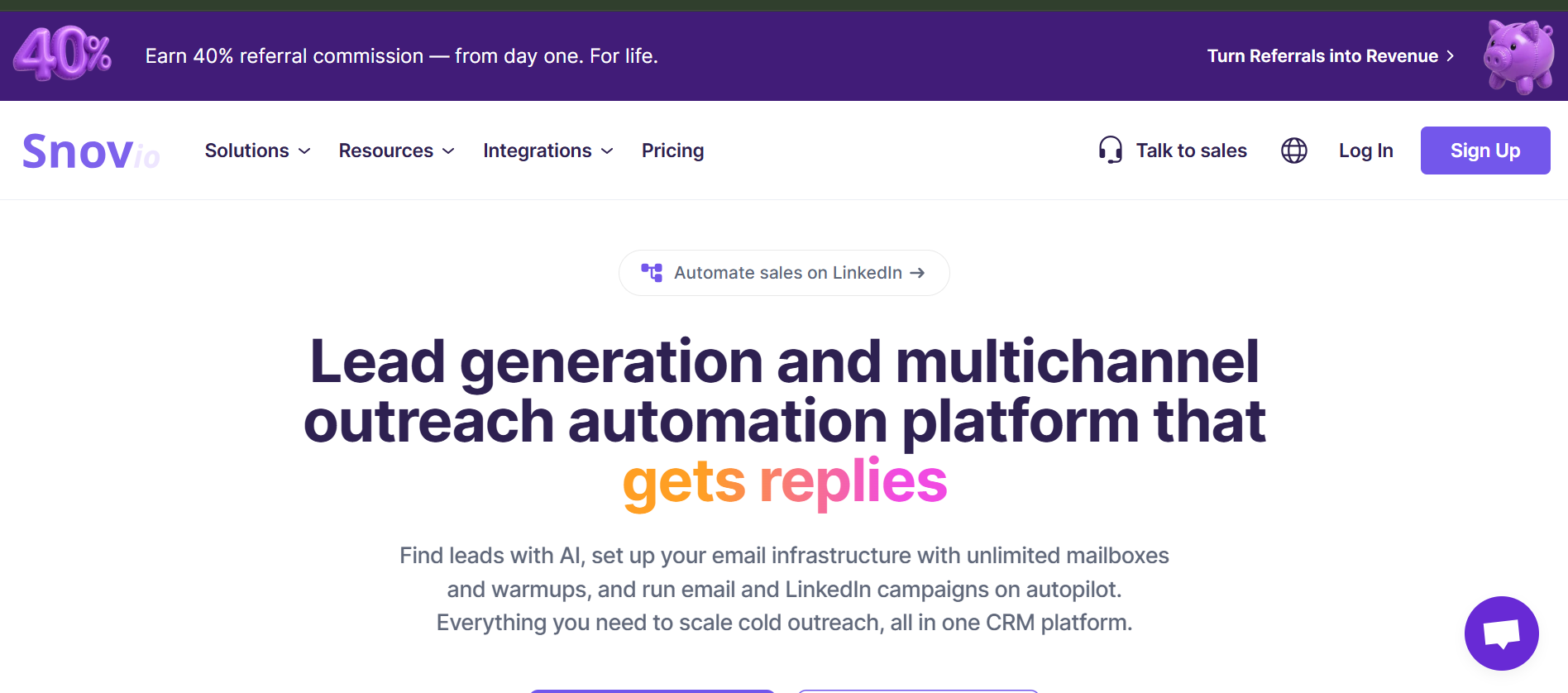
If you’re looking for a budget-friendly rocketreach alternatives free option, Snov.io is a strong starting point.
It focuses on the essentials—finding emails, verifying them, and running simple outreach campaigns without a heavy upfront cost.
You get access to a database of 100M+ contacts, along with tools to validate and reach them.
This makes it ideal for freelancers, early-stage founders, or small teams testing outbound for the first time.
While it may not offer deep automation, it gives you 2 core capabilities in 1 tool—email discovery and outreach—starting with a free plan and paid plans from around $39/month.
Snov.io covers the basics needed to start outbound without complexity.
Snov.io is affordable and easy to get started with, but has limitations at scale.
Pros:
Cons:
Suggested Reading:
12 Snov.io Alternatives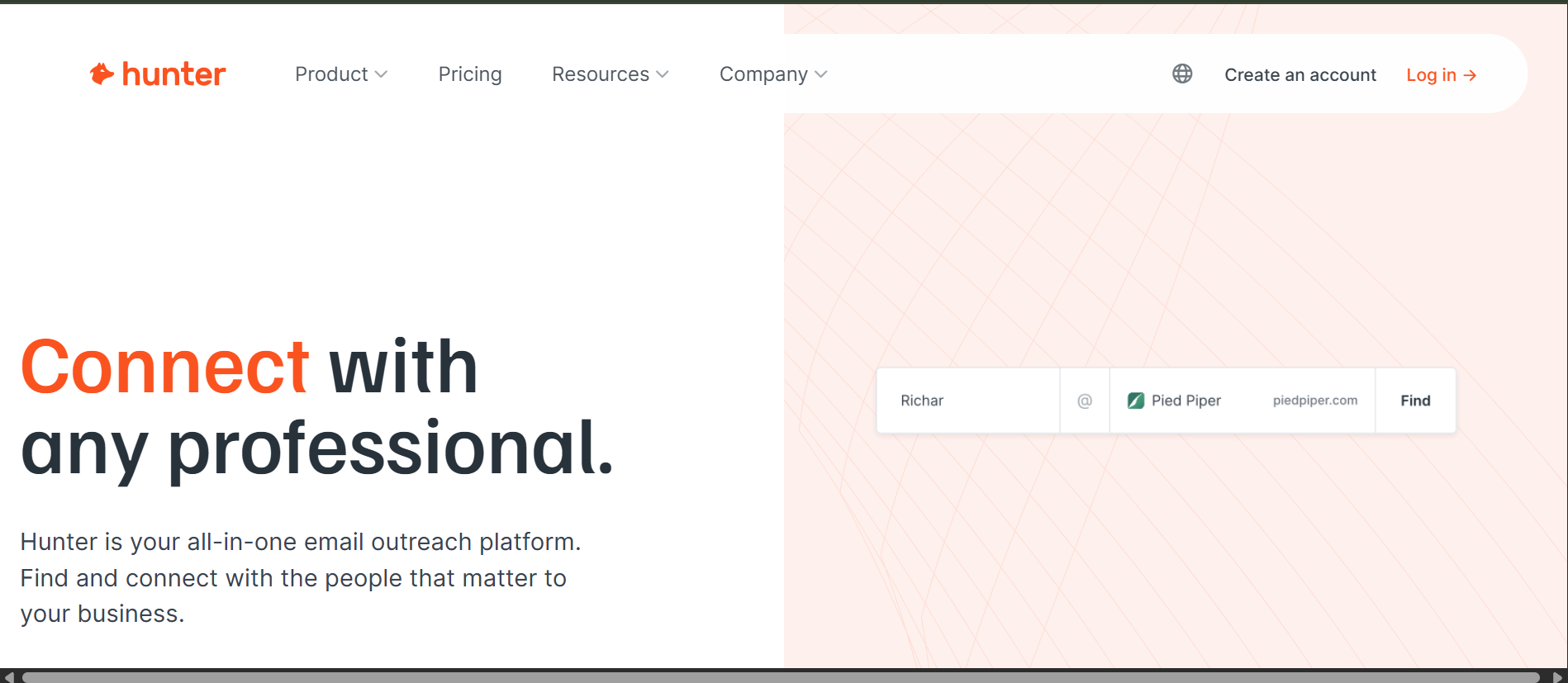
If you’re looking for a clean and straightforward rocketreach alternative, Hunter.io is one of the simplest tools available.
It focuses purely on email discovery and verification, without adding unnecessary complexity.
You can quickly find professional email addresses based on domains and verify them in seconds.
Hunter.io gives access to a database of 100M+ professional email addresses, along with a free plan to get started.
This makes it a great fit if you only need 1 core function—finding and validating emails—without managing a full outbound system.
Hunter.io is built for simplicity and speed.
Hunter.io is easy to use but comes with limited capabilities.
Pros:
Cons:
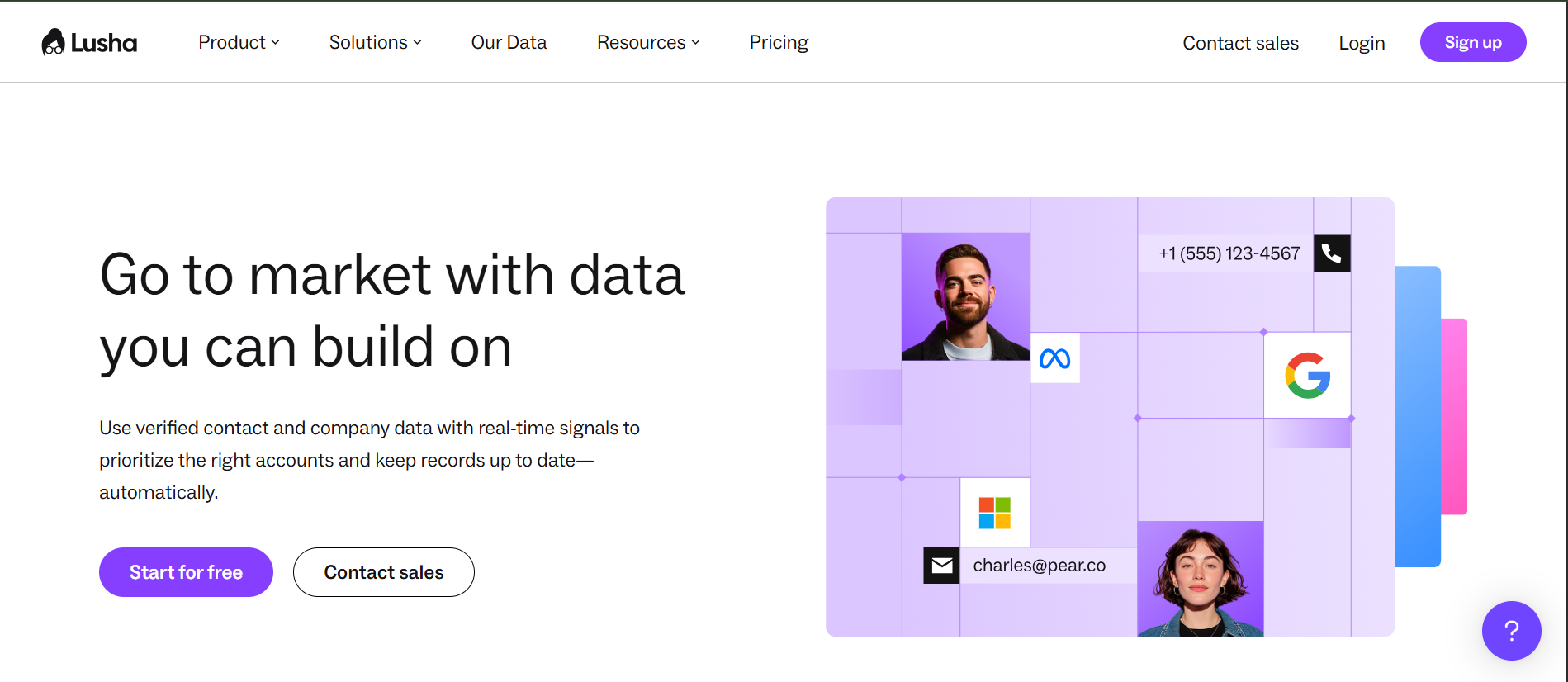
If you prefer simplicity and speed, Lusha is a solid rocketreach free alternative for quick contact discovery.
It’s designed for ease of use, helping you find emails and phone numbers in just a few clicks without complex setup.
Lusha provides access to a database of 100M+ business profiles, with a strong focus on direct contact data.
This makes it ideal if you want 1 simple tool to quickly pull verified contacts while browsing LinkedIn or company websites.
However, while it’s easy to get started, costs can rise quickly as your usage grows.
Lusha focuses on fast and accessible contact data.
Lusha is beginner-friendly but can get expensive over time.
Pros:
Cons:
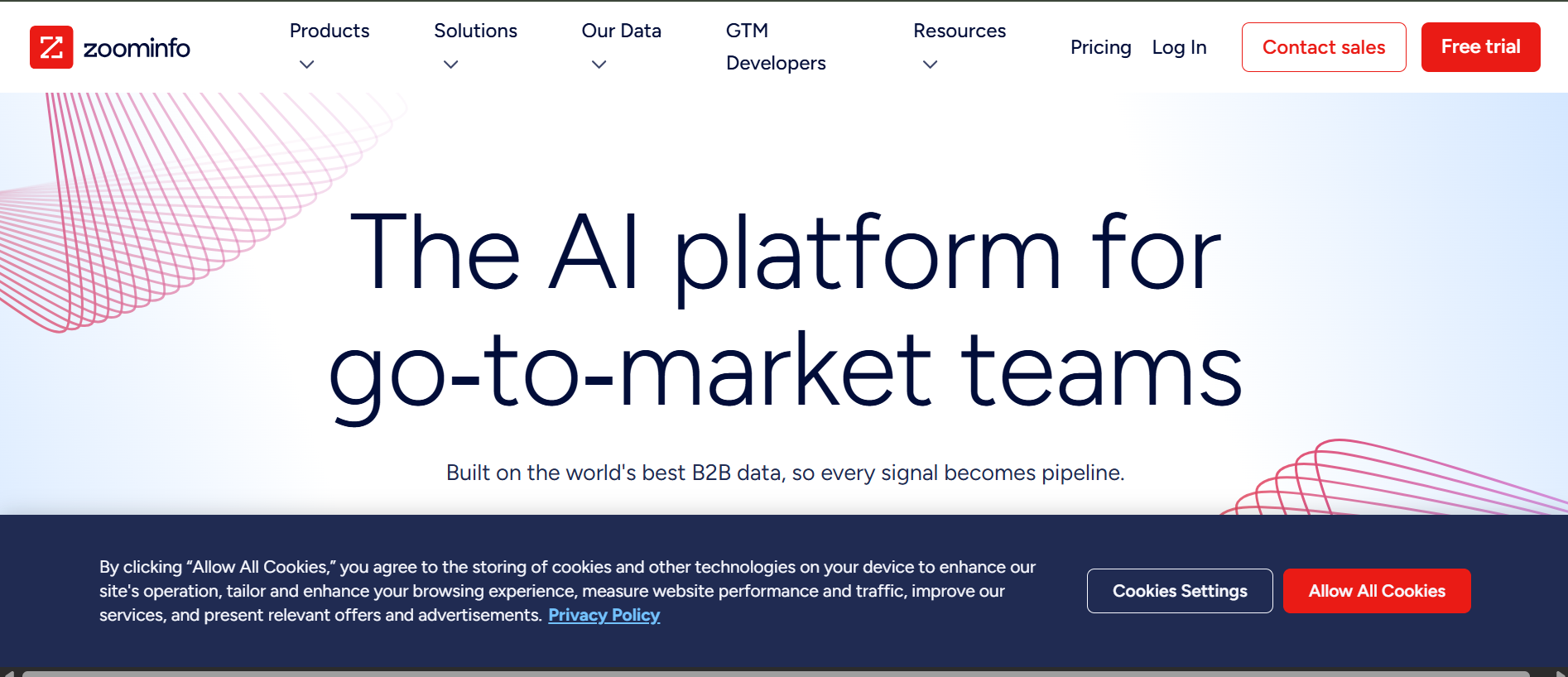
If you’re looking for a premium, data-first rocketreach alternative, ZoomInfo stands out at the enterprise level.
It goes beyond basic contact data by offering deep enrichment, intent signals, and advanced targeting insights.
With access to a database of 300M+ contacts and 100M+ company profiles, ZoomInfo helps large teams identify high-intent prospects and prioritize outreach effectively.
This makes it a strong fit for enterprises and scaling sales teams that rely heavily on data-driven targeting.
However, this level of depth comes with higher pricing, making it less suitable for smaller teams or early-stage users.
ZoomInfo focuses on data depth and advanced insights.
ZoomInfo is powerful but comes at a premium.
Pros:
Cons:
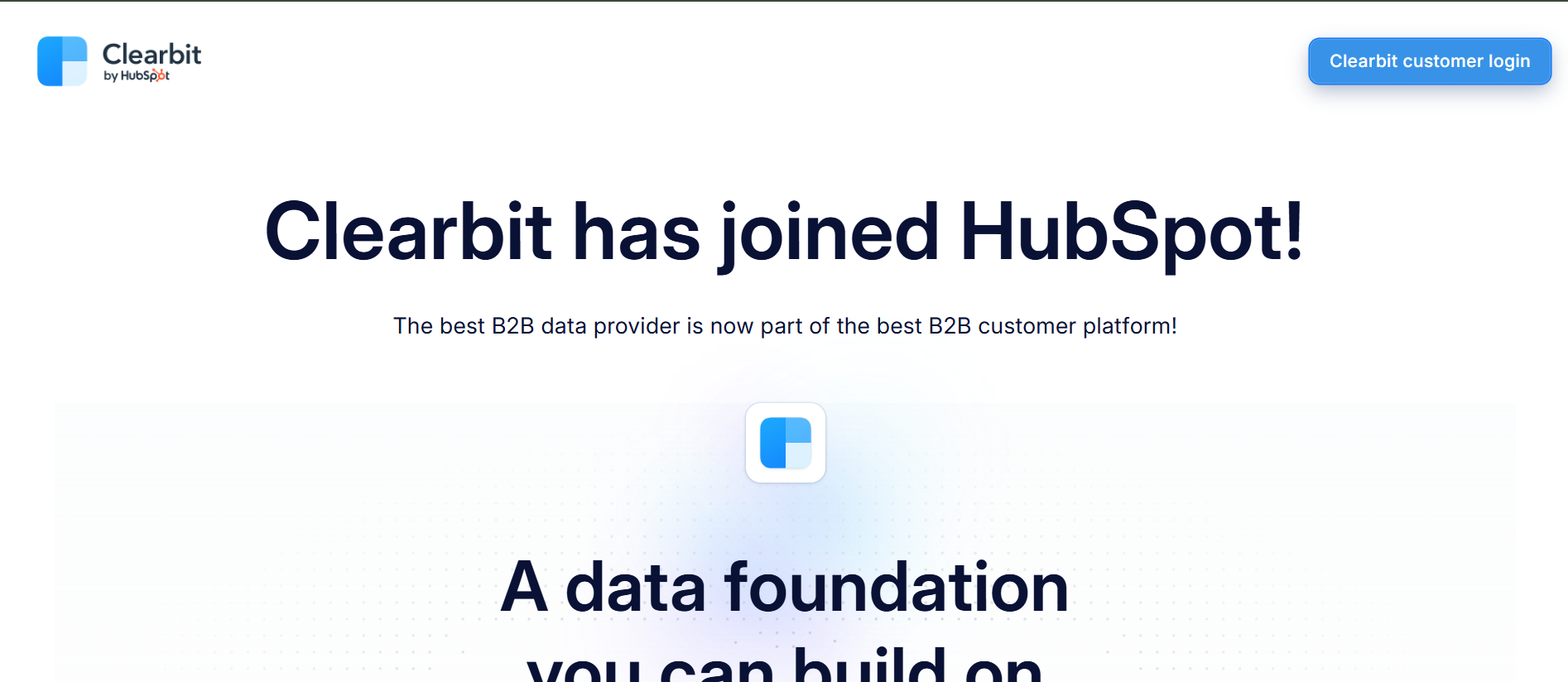
If your main challenge is incomplete or shallow data, Clearbit stands out among rocketreach alternatives with its enrichment-first approach.
Instead of focusing on finding contacts, it focuses on enhancing the data you already have.
Clearbit pulls real-time information like company size, revenue, tech stack, and role details, helping you build richer profiles for better targeting.
It works especially well for marketing and growth teams that rely on clean, enriched data for segmentation and personalization.
However, it doesn’t handle outreach, so you’ll still need other tools to run campaigns.
Clearbit is designed for real-time data enrichment and integrations.
Clearbit is strong on data but limited beyond that.
Pros:
Cons:
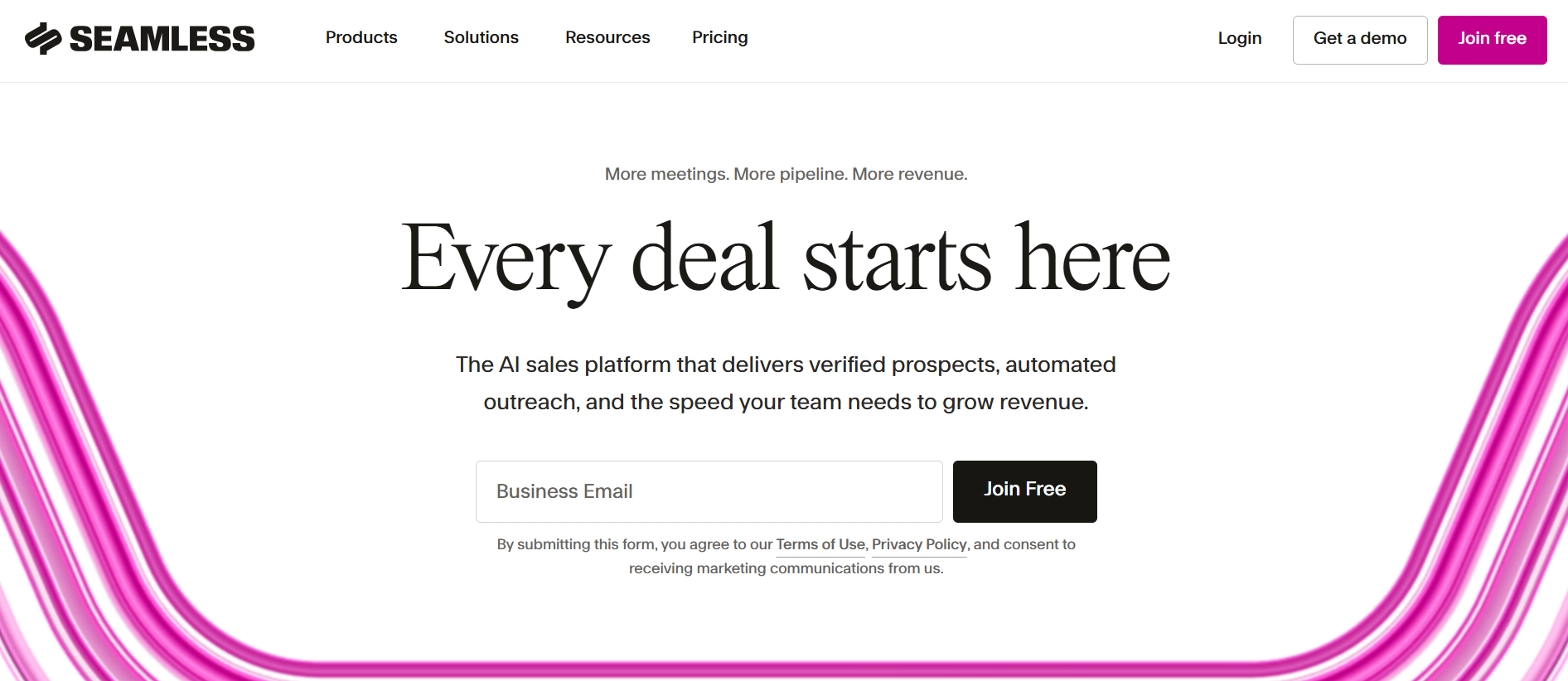
If you’re looking for an AI-driven rocketreach alternative, Seamless.ai positions itself as a tool built for real-time contact discovery.
It uses AI to search the web and generate contact details on demand, rather than relying only on static databases.
This allows you to find emails, phone numbers, and company data as you prospect, making it useful for SDRs who want fast, on-the-fly lead generation.
Seamless.ai is often used by sales teams that prioritize speed and volume in their prospecting process.
However, while discovery is strong, users often mention usability and data consistency challenges.
Seamless.ai focuses on AI-powered lead discovery and integrations.
Seamless.ai is strong in discovery but has trade-offs.
Pros:
Cons:
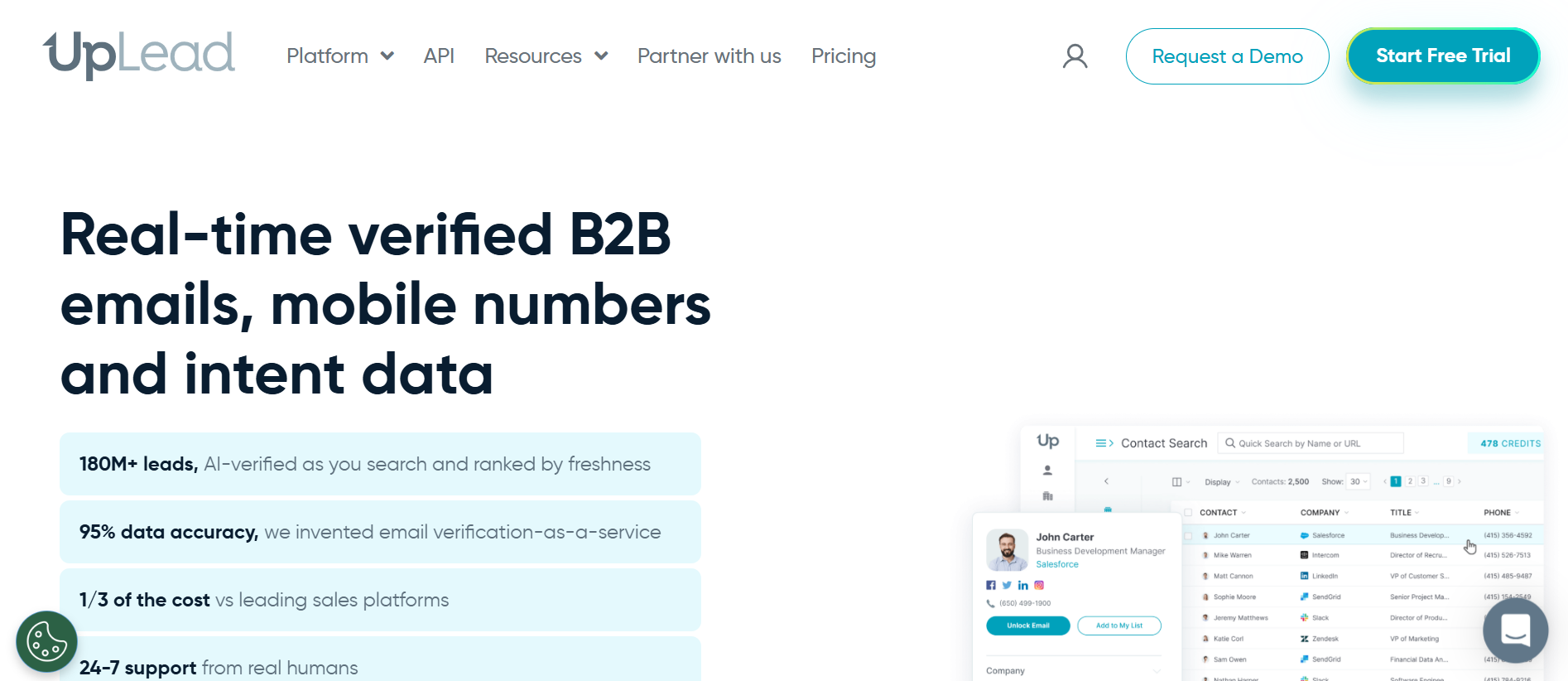
If data accuracy is your top priority, UpLead is one of the most reliable rocketreach alternatives available.
It focuses heavily on real-time email verification, ensuring the contacts you get are actually usable.
UpLead provides access to a database of 160M+ B2B contacts, along with strong filtering options to narrow down your ideal prospects.
This makes it a good fit for teams that care more about quality over volume.
While it doesn’t offer deep automation, it delivers consistently accurate data for outbound campaigns.
UpLead is built around accuracy and clean data.
UpLead is accurate but comes at a premium.
Pros:
Cons:
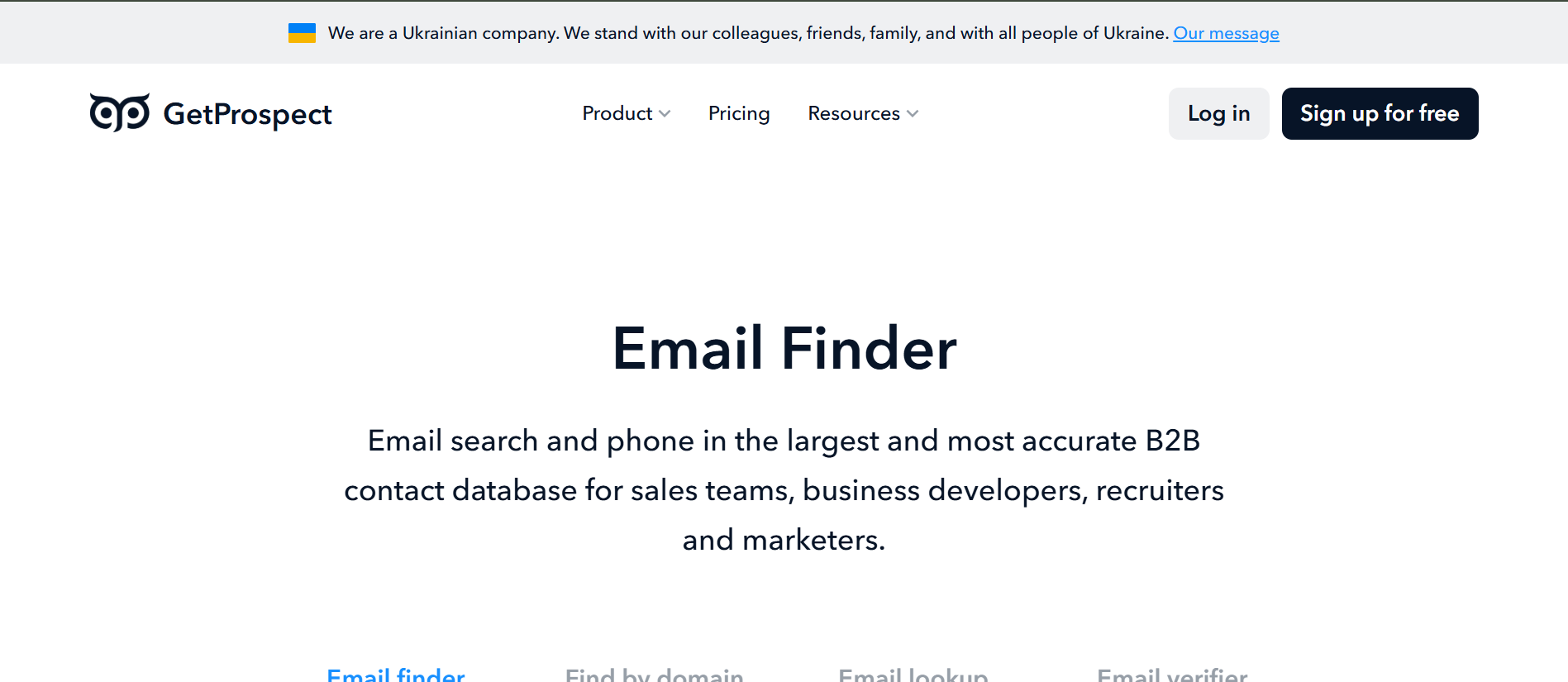
If you’re looking for a simple and cost-effective rocketreach alternatives free option, GetProspect is worth considering.
It focuses on LinkedIn-based email discovery, making it useful for building targeted lead lists quickly.
You get access to a database of 200M+ contacts, along with basic tools to find and verify emails.
This makes it a good fit for freelancers and small teams who want 1 affordable tool for lead generation without heavy investment.
However, features remain limited compared to more advanced platforms.
GetProspect covers the basics for email discovery and lead management.
GetProspect is affordable but comes with limitations.
Pros:
Cons:
Choosing the right tool isn’t about picking the one with the most features.
It’s about matching the tool to how you actually run outbound.
Some tools are built for simple email lookup, while others handle your entire pipeline from start to finish.
If you don’t define your needs clearly, you’ll end up juggling multiple tools or overpaying for features you don’t use.
The easiest way to decide is to break it down into 3 factors—budget, use case, and automation level.
Your budget quickly narrows down your options.
If you’re just starting out, free or low-cost tools like Snov.io or Hunter.io help you test outbound without heavy investment.
But they come with limits—credits, smaller databases, and fewer features.
Mid-range tools like Apollo.io balance cost and functionality.
Premium tools like ZoomInfo offer deeper data but require a significant budget.
So the trade-off is simple.
Lower cost means fewer features, while higher cost gives you more scale, accuracy, and insights.
Not every tool is built for the same purpose.
If your focus is just finding emails, simple tools will do the job.
If you need clean and enriched data, go for platforms like UpLead or Clearbit.
But if your goal is to run outreach campaigns, you’ll need tools that support sequencing and follow-ups.
And if you want everything in one place—data, outreach, and replies—then an all-in-one system like Oppora makes more sense.
Choosing based on use case avoids unnecessary complexity.
This is where the biggest difference shows up.
Most tools fall into 3 levels:
At Level 3, tools like Oppora act as an AI outbound sales agent.
You just define your ICP, and it handles:
So instead of managing tools, you’re running a system.
And that’s what really determines the right choice.
Switching from RocketReach isn’t just about finding another tool.
It’s about upgrading how your outbound actually works.
With better email verification, deeper enrichment, and built-in automation, you reduce wasted effort and improve results.
The key is to choose a solution that simplifies your workflow—not complicates it.
Because in the end, the best rocketreach alternative isn’t just about data.
It’s about turning that data into real conversations and consistent pipeline.
When choosing a rocketreach alternative, a few common questions come up around pricing, accuracy, and automation.
Here are clear answers to help you decide faster.
The best option depends on what you need.
If you want just contact data, tools like Hunter.io or Apollo work well.
If you need data + outreach, Snov is a strong choice.
But if you want to automate everything, all-in-one platforms like Oppora are better suited.
Yes, several tools offer free plans.
Platforms like Snov.io, Hunter.io, and GetProspect provide limited free credits.
However, these plans usually come with restrictions on searches, exports, or features.
They’re best for testing before scaling.
Most modern tools include built-in email verification.
Platforms like UpLead, Snov.io, Apollo.io, and Oppora verify emails before you use them.
This helps reduce bounce rates and improves deliverability.
Yes, newer platforms combine multiple functions into one system.
Instead of using separate tools for data, verification, and outreach, tools like Oppora handle everything in a single workflow.
This reduces complexity and saves time.
For scaling, you need tools with automation and infrastructure.
Look for features like multi-inbox sending, warm-up, and campaign management.
Platforms like Oppora and Snov are better suited for high-volume outbound compared to basic data tools.
Summarize with AI
Share