Home
Blog
Oppora's Claude MCP is Live. Connect our Email Database & Outreach features with any tool to build smart automations inside Claude. Start for Free
Home
Blog
Adam Hossain
Published April 19, 2026
18 min
Try Oppora AI
Create Self-Running Agentic Sales Workflows like N8N just by chatting with AI
Get Started for FREE
You invest in a tool like ZoomInfo expecting accurate data, better leads, and predictable pipeline growth. But instead, you often end up dealing with outdated contacts, rising costs, and workflows that still need manual effort to deliver results.
That’s exactly why more businesses are actively exploring ZoomInfo competitors that are more flexible, affordable, and actually built for modern outreach.
In this guide, you’ll discover:
If you’ve used ZoomInfo for a while, you’ve likely seen both its strengths and its limitations.
While it promises a large database and powerful prospecting capabilities, many teams eventually start looking for competitors to ZoomInfo when the actual results don’t match expectations.
The shift usually isn’t about one issue it’s a combination of data quality, pricing, and usability challenges that affect everyday workflows.
Let’s break down the most common reasons businesses explore a ZoomInfo alternative.
One of the biggest frustrations users face is inconsistent performance paired with unreliable data.
Instead of speeding up prospecting, teams often spend extra time double-checking contacts and fixing errors before launching campaigns.
In many cases, outreach fails simply because the underlying data isn’t accurate enough to trust.
You can see this pattern clearly in real user experiences shared here, where teams describe how technical glitches and bad data slow down their entire sales process.
ZoomInfo is known for its premium pricing, but many businesses struggle to justify the investment over time.
When email accuracy is low or campaigns underperform, the cost quickly outweighs the value generated.
Instead of driving predictable revenue, the tool becomes an expensive experiment that doesn’t scale efficiently.
Some users who canceled high-ticket plans share similar concerns in this discussion, highlighting how difficult it is to achieve consistent ROI.
Even when contact details are available, outdated or incorrect job titles can break your targeting completely.
Reaching out to the wrong decision-maker not only reduces response rates but also weakens your overall campaign performance.
Over time, this leads to wasted effort and missed opportunities that are hard to recover.
This issue is frequently mentioned in user feedback, where outdated data impacts personalization and outreach relevance.
Another common concern is the lack of pricing transparency and flexibility.
Many businesses feel locked into rigid contracts that don’t adapt to their actual usage or team size.
For smaller teams or startups, this creates unnecessary financial pressure and limits experimentation.
You can explore similar concerns in this thread, where users discuss how pricing models push them to consider more flexible alternatives.
For long-term users, the biggest issue is the gap between cost and evolving value.
As expectations grow, many feel the platform hasn’t improved enough to justify its pricing over time.
What once seemed like a powerful solution starts to feel outdated compared to newer tools in the market.
This sentiment shows up repeatedly in discussions like this, where users question whether the tool still delivers enough value to keep using it.
Now that you understand why businesses start exploring ZoomInfo competitors, the next step is knowing what actually matters when choosing one.
Not every tool that claims to be a “ZoomInfo alternative” will improve your results.
The difference usually comes down to a few core features that directly impact how effective your outreach and prospecting efforts are.
Everything starts with data quality.
If your contact information is inaccurate, nothing else in your workflow really matters.
A strong ZoomInfo alternative should give you confidence that the emails and phone numbers you’re using are real, active, and relevant.
Look for tools that focus on:
When your data is clean, your campaigns become more predictable and easier to scale.
Suggested Reading:
Catch-All Email VerificationEven high-quality data becomes useless if it’s outdated.
People switch roles, companies grow, and contact details change constantly, which means your prospect list needs to stay fresh.
The best tools continuously update their databases so you’re not working with stale information.
This ensures:
Without real-time updates, even the best strategy can fall apart quickly.
Finding leads is not just about volume it’s about precision.
You need the ability to narrow down your audience based on the exact criteria that match your ideal customer profile.
A good ZoomInfo competitor should allow you to:
The more precise your targeting, the higher your chances of getting meaningful responses.
Your prospecting tool shouldn’t operate in isolation.
It needs to fit into your existing workflow without creating extra manual work.
That’s why integrations are critical for efficiency and consistency.
Look for tools that:
This keeps your pipeline organized and eliminates repetitive tasks that slow your team down.
Even with good data, poor deliverability can ruin your outreach efforts.
If your emails land in spam or bounce frequently, your campaigns won’t generate results.
That’s why built-in verification and deliverability features are essential.
A reliable tool should help you:
When deliverability is handled properly, you can focus on messaging and strategy instead of technical issues.
Now that you know what features actually matter, it’s time to look at the tools that deliver on them.
There’s no single “best” option — the right choice depends on your workflow, budget, and how you approach outreach.
Below, you’ll find a curated list of free and affordable ZoomInfo competitors, each compared based on pricing, strengths, and ideal use cases so you can quickly identify what fits your needs best.
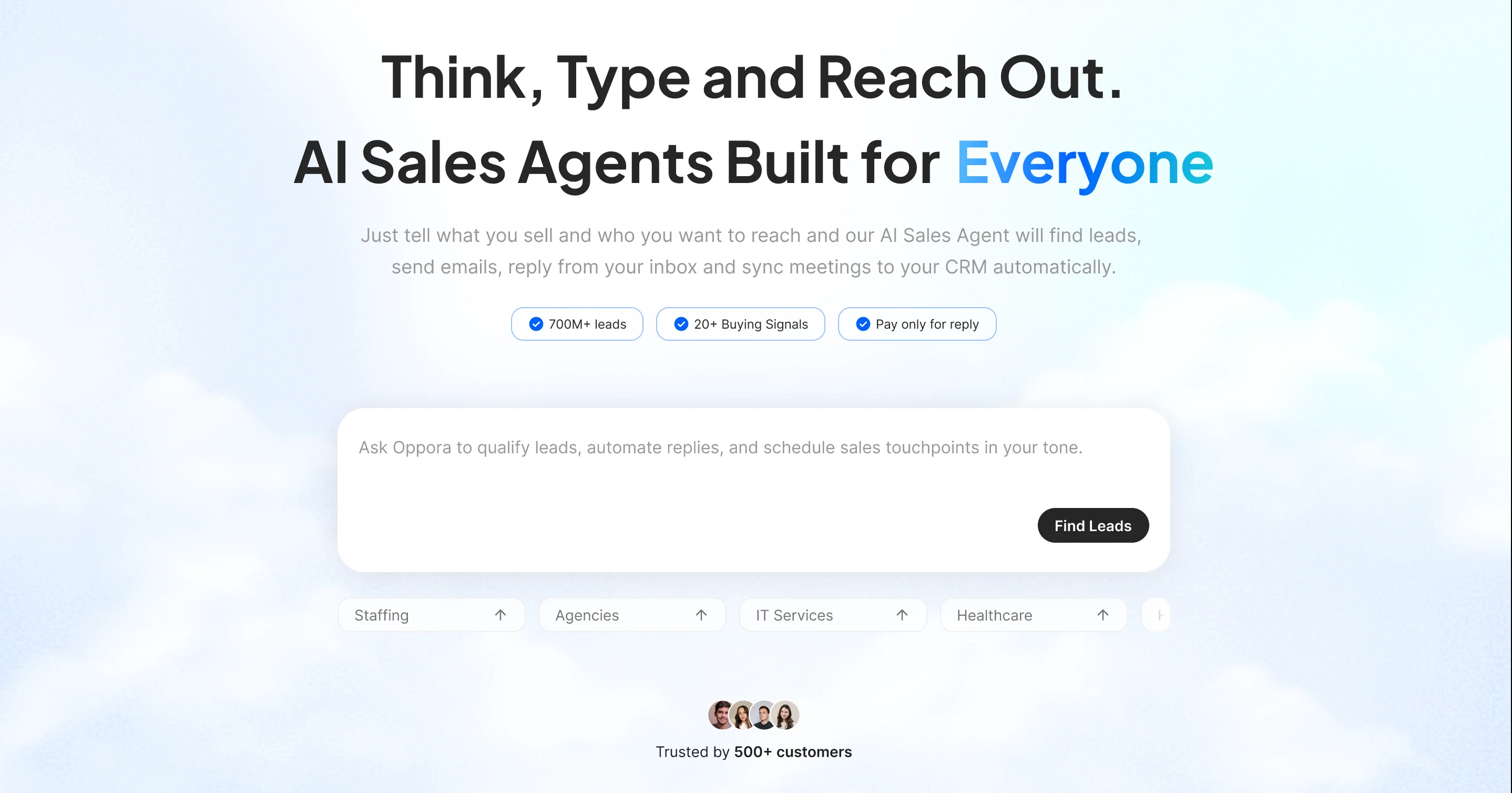
If most ZoomInfo competitors still focus on giving you data, Oppora.ai takes a different route.
Instead of stopping at contact discovery, it helps you actually act on that data without adding more manual work.
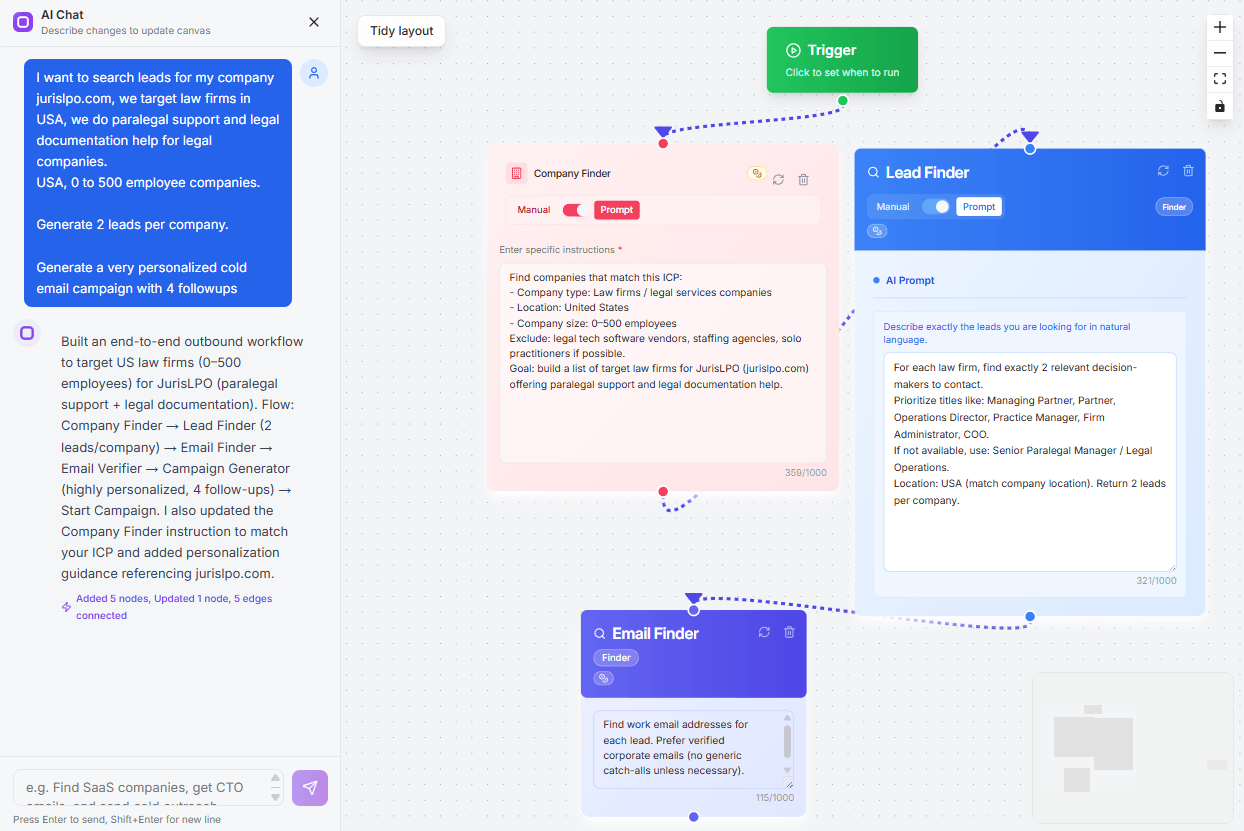
At its core, Oppora turns prospecting into a complete, automated workflow — where leads are found, enriched, contacted, and followed up using AI, so your outreach keeps running without constant input.
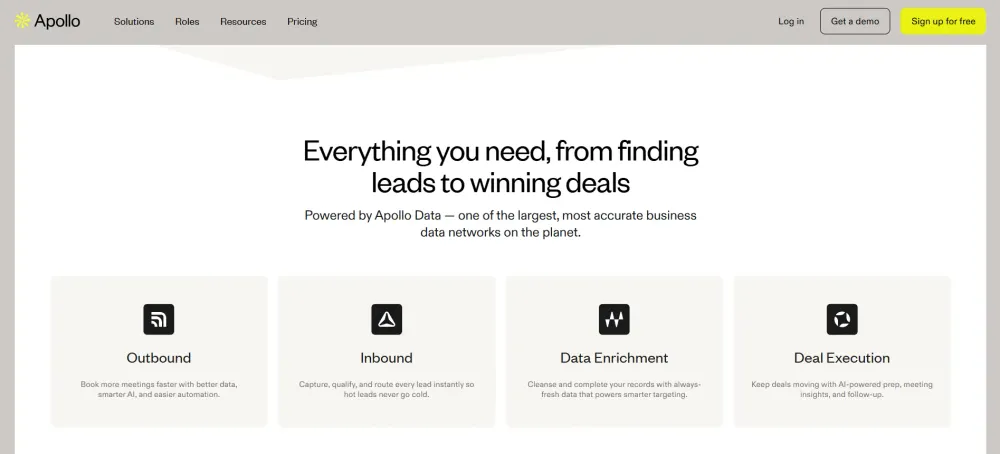
Apollo.io is a standalone sales intelligence and outreach platform designed for teams that want both data and execution capabilities in one place.
It works as a complete system where you can discover leads, manage contacts, and run outbound campaigns without relying on multiple tools.
This makes it a strong option if you prefer an all-in-one tech stack instead of stitching together separate solutions.
Apollo.io focuses on combining prospecting with outreach so your workflow stays streamlined.
These features make it suitable for teams that want a single platform to handle outbound end-to-end.
Apollo.io offers pricing designed to scale with different team sizes and needs.
This makes it accessible for startups while still offering enough depth for growing sales teams.
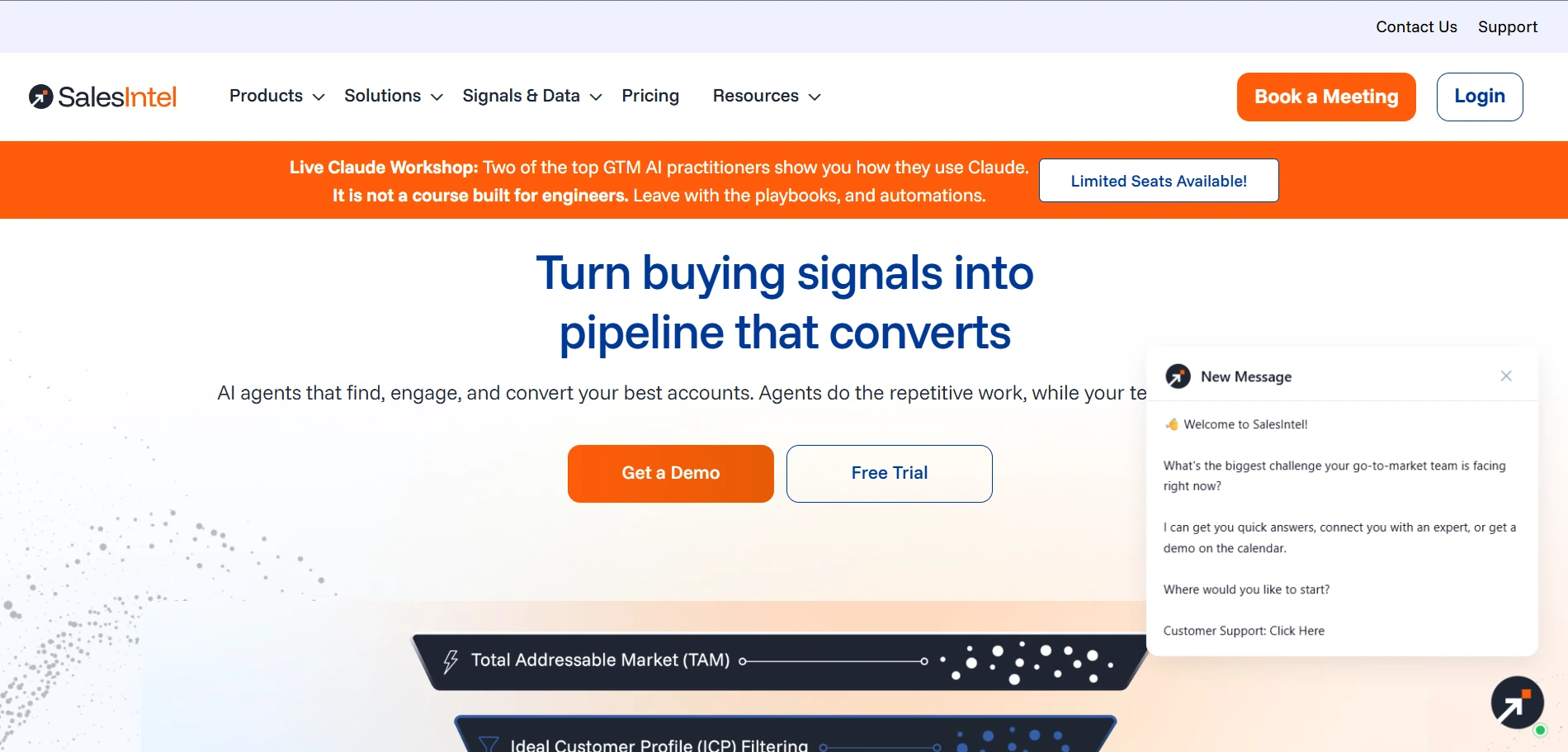
SalesIntel is often chosen by modern revenue teams looking for higher-quality, verified data and stronger signal-driven insights.
You invest in a tool like ZoomInfo expecting accurate data, better leads, and predictable pipeline growth. But instead, many teams end up dealing with outdated contacts, inconsistent data quality, and outreach efforts that require constant manual cleanup just to stay effective.
That’s exactly why more businesses are actively exploring ZoomInfo competitors that prioritize data accuracy, verified insights, and real buying signals over sheer database size.
SalesIntel is built around a simple idea: better data is not enough, you also need context and signals to know when and how to engage.
Unlike traditional data providers, SalesIntel combines human-verified contact data with a growing layer of intent and engagement signals, helping teams move from static prospecting to dynamic, timing-driven outreach.
With VisitorIntel, businesses can identify anonymous website traffic and turn real-time interest into pipeline opportunities. Its Signals framework helps sales teams prioritize accounts showing active buying behavior, so outreach happens when intent is actually rising, not weeks too late.
SalesIntel also brings strategy into execution through GTM Canvas, a structured approach that helps revenue teams map ideal customer profiles, align territories, and build smarter go-to-market motions using enriched data and intent layers.
On the execution side, RevDriver enables real-time prospecting directly inside LinkedIn and CRMs, making it easier to capture and act on opportunities without switching tools.
In a market crowded with “big databases,” SalesIntel positions itself as a precision-first GTM intelligence platform - helping teams understand not just who to target, but when, why, and how to engage.
SalesIntel offers custom pricing based on team size and data needs. Plans are designed for revenue teams that prioritize data accuracy, intent signals, and actionable GTM intelligence over large but unreliable contact databases.
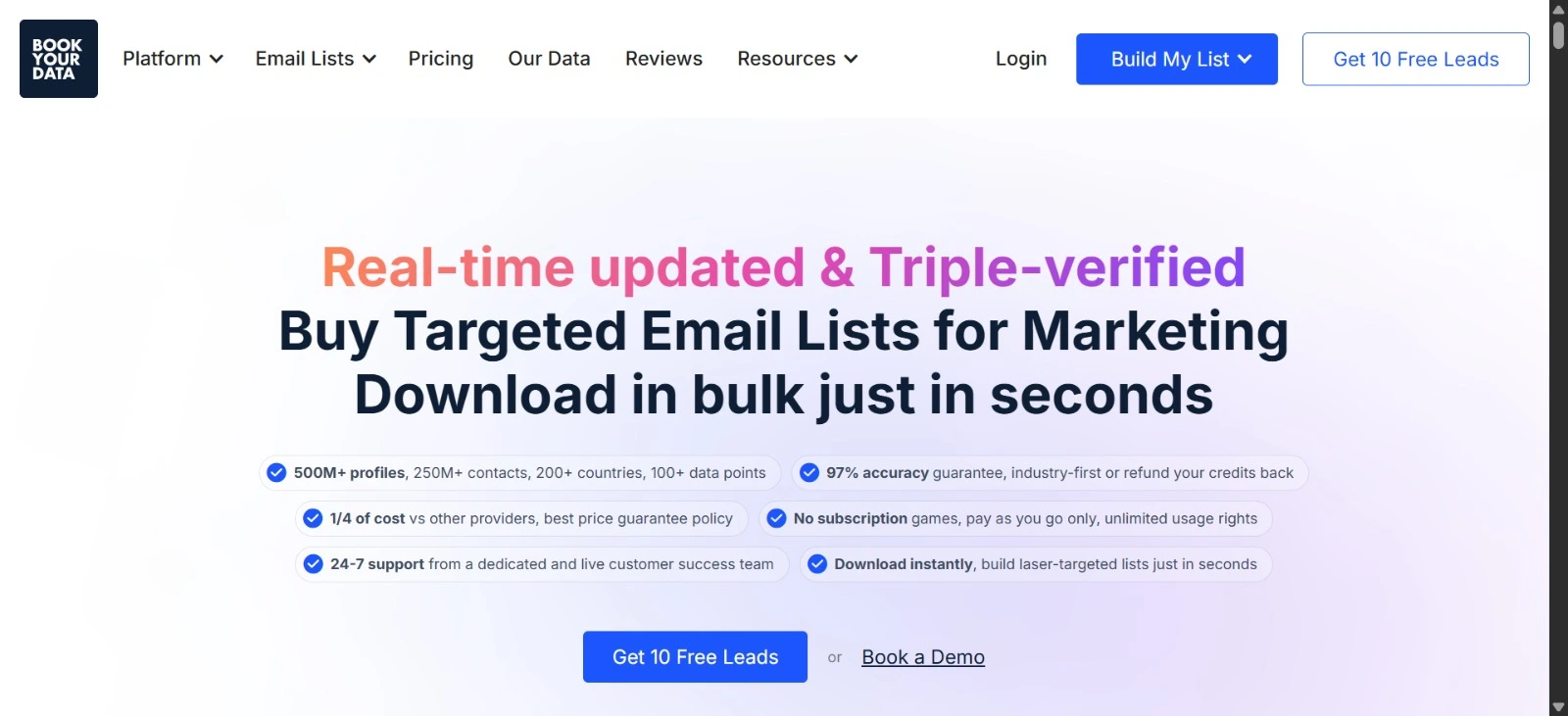
Bookyourdata is a flexible B2B data provider designed for teams that want instant access to verified contact data without long-term contracts or rigid pricing models. Unlike many traditional platforms, it operates on a pay-as-you-go model, making it especially attractive for startups and businesses that need high-quality data without upfront commitments. The platform focuses on providing pre-verified contact data with built-in validation processes, helping improve the reliability of your outreach campaigns.
Key Features Bookyourdata emphasizes flexibility, accuracy, and ease of use for modern prospecting workflows.
These features make it ideal for teams that want flexible control over their data usage while maintaining strong outreach performance.
PricingBookyourdata follows a transparent and flexible pricing model.
This makes it a cost-effective alternative for businesses that want to avoid fixed monthly expenses and scale data usage as needed.
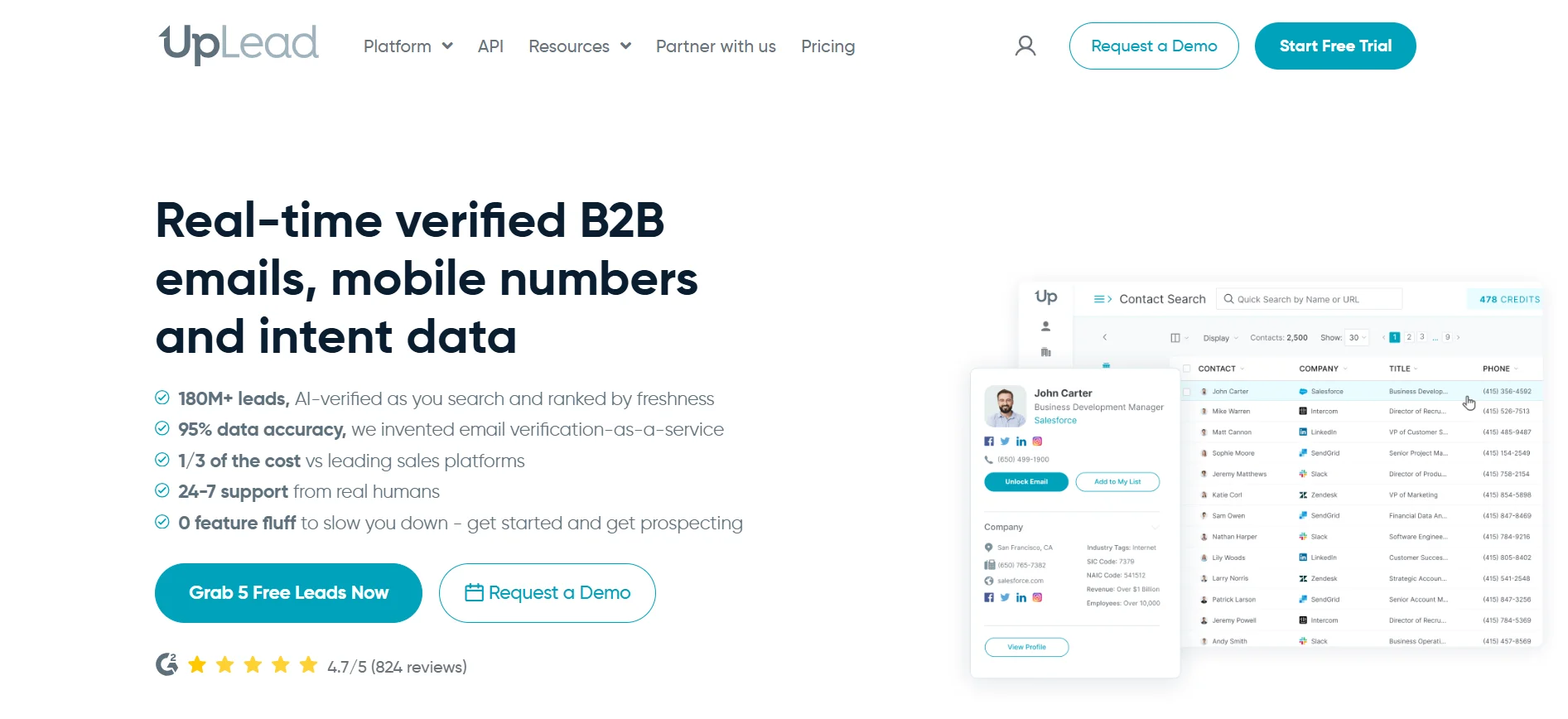
UpLead is a B2B data platform that focuses heavily on accuracy and real-time verification.
It is designed as a standalone solution for teams that want clean and reliable contact data without relying on multiple validation tools.
The platform emphasizes data quality over volume, which helps reduce wasted outreach efforts.
UpLead is built to ensure the data you use is accurate at the moment you access it.
These features make it useful for teams that prioritize precision.
UpLead offers straightforward pricing with a focus on premium data quality.
This positions it as a higher-quality but slightly premium option.
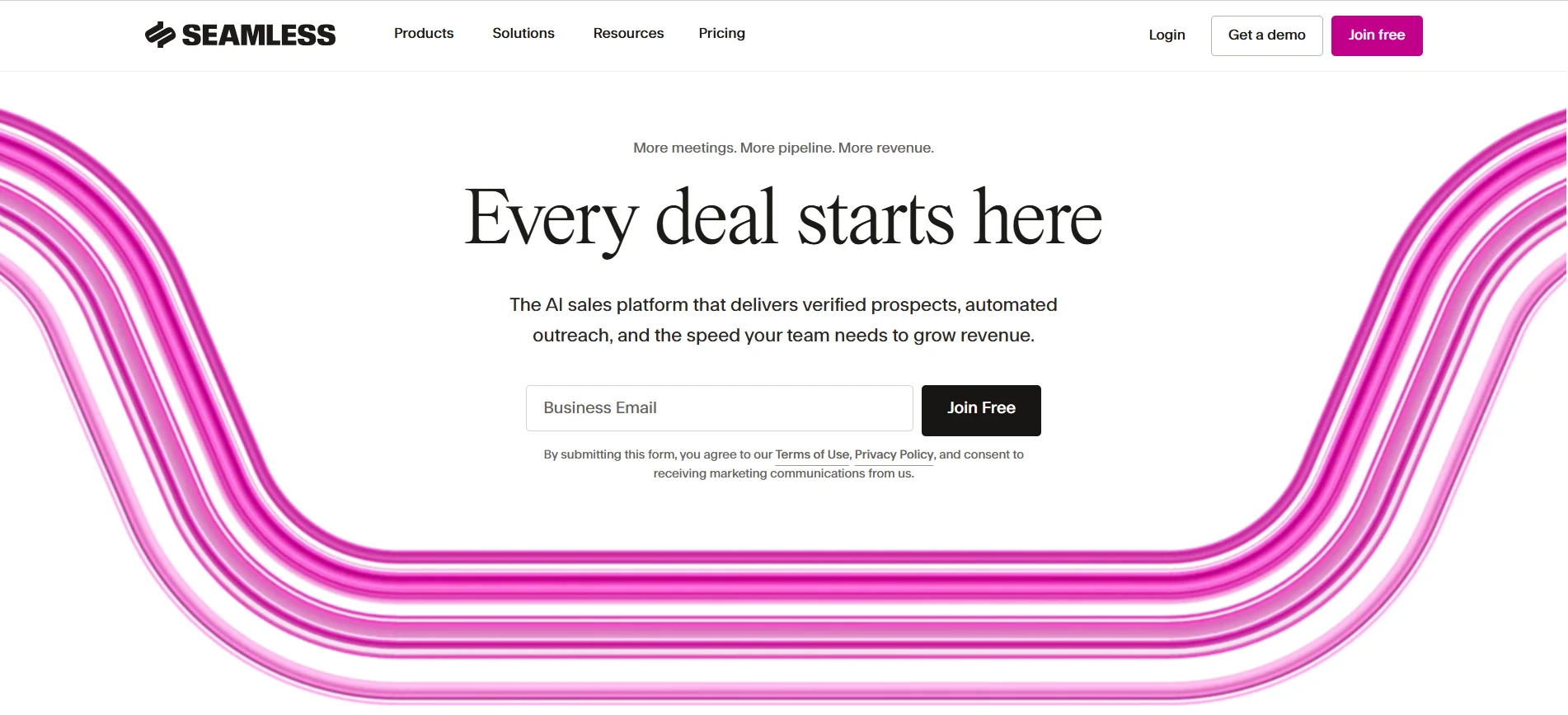
Seamless.ai is an AI-powered prospecting platform built to help teams find and verify contact data quickly.
It operates as a standalone tool that focuses on real-time search and lead generation using AI-driven insights.
The platform is designed to speed up the prospecting process without sacrificing data relevance.
Seamless.ai leverages AI to make lead discovery faster and more efficient.
These features make it suitable for fast-paced sales environments.
Seamless.ai provides flexible pricing depending on usage.
This makes it accessible but more valuable at higher tiers.
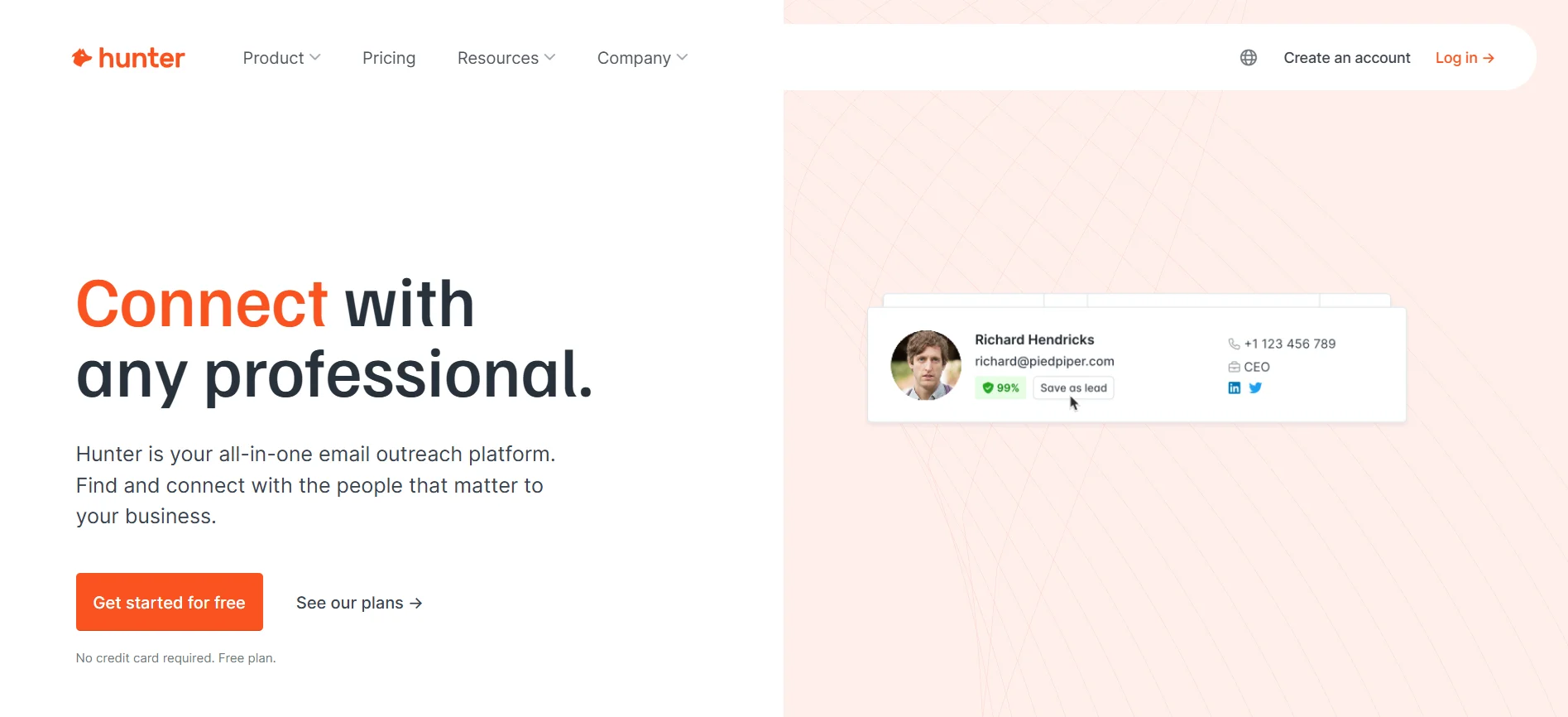
Hunter.io is a focused email discovery and verification platform designed for teams that rely on email outreach.
It works as a standalone tool that helps you find and validate professional email addresses with ease.
The platform is especially useful for marketers and sales teams running targeted email campaigns.
Hunter.io keeps its feature set clean and focused on email workflows.
These features make it ideal for email-first strategies.
Hunter.io offers transparent and flexible pricing plans.
This makes it a cost-effective option for email outreach teams.
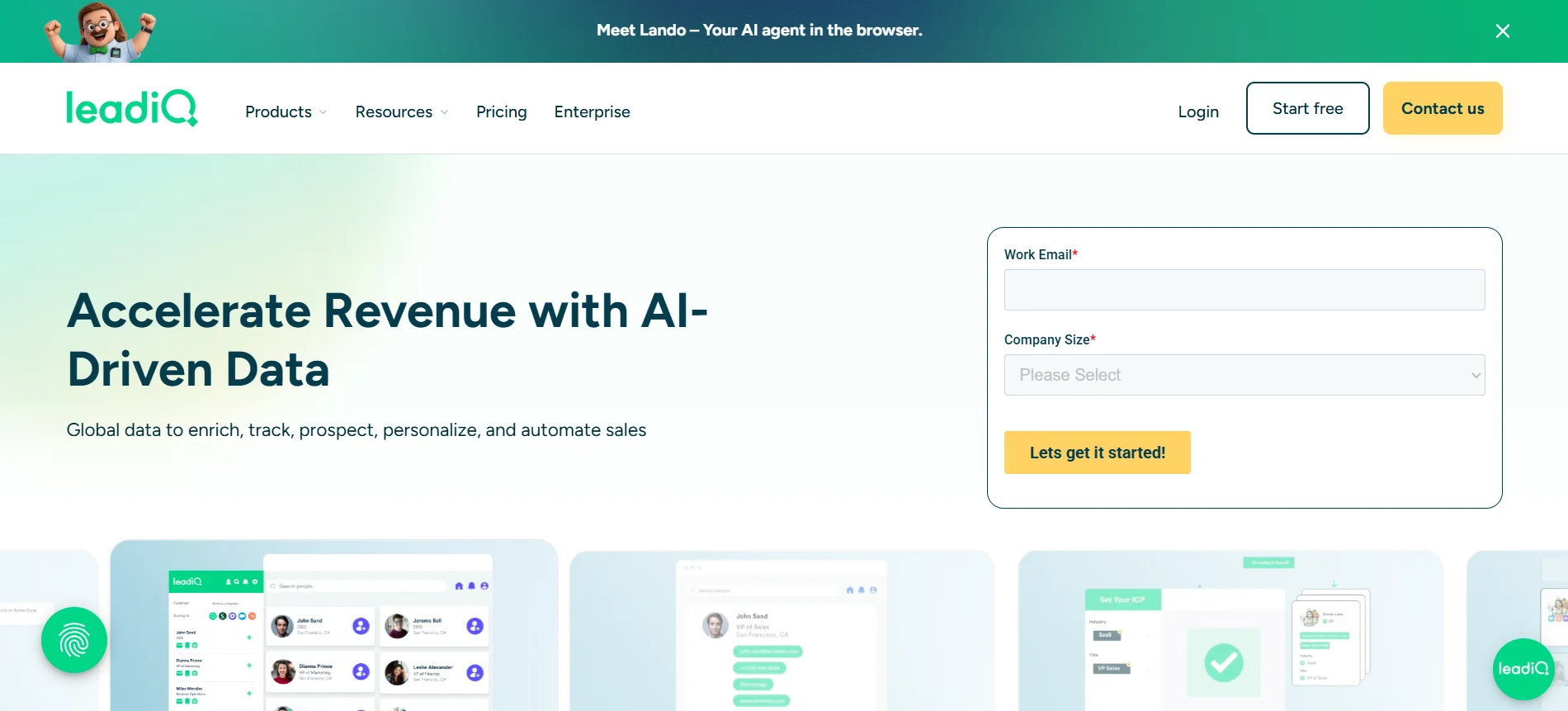
LeadIQ is a prospecting tool designed to help sales teams capture and enrich leads directly from LinkedIn.
It functions as a standalone solution that focuses on improving efficiency for outbound sales reps.
The platform is particularly useful for SDRs who spend a lot of time sourcing leads manually.
LeadIQ simplifies lead capture and enrichment during prospecting.
These features help reduce manual effort in lead generation.
LeadIQ offers pricing based on team size and usage.
This makes it suitable for growing sales teams.
Clearbit is a data enrichment platform designed to provide deeper insights into leads and customers.
It works as a standalone tool that enhances existing data rather than focusing purely on prospecting.
The platform is widely used by marketing and product-led growth teams.
Clearbit focuses on enriching and qualifying leads with additional context.
These features make it useful for inbound and growth-focused teams.
Clearbit follows a custom pricing structure.
This makes it more suitable for established businesses.
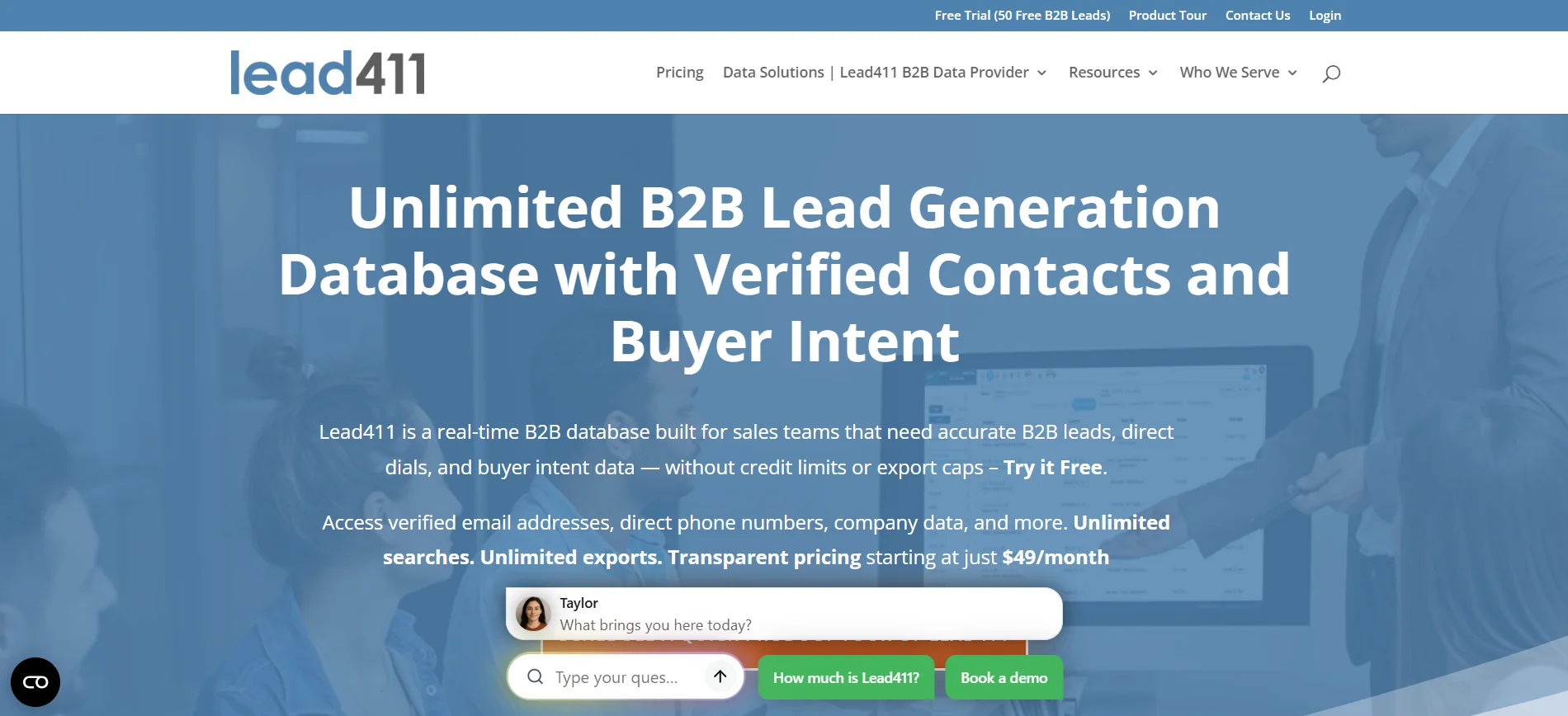
Lead411 is a sales intelligence platform that combines verified contact data with intent signals.
It operates as a standalone tool designed to help teams identify and reach high-quality prospects.
The platform balances affordability with useful features for outbound sales.
Lead411 provides both data and insights to improve targeting.
These features help teams focus on high-conversion opportunities.
Lead411 offers competitive pricing compared to similar tools.
This makes it a mid-range option for sales teams.
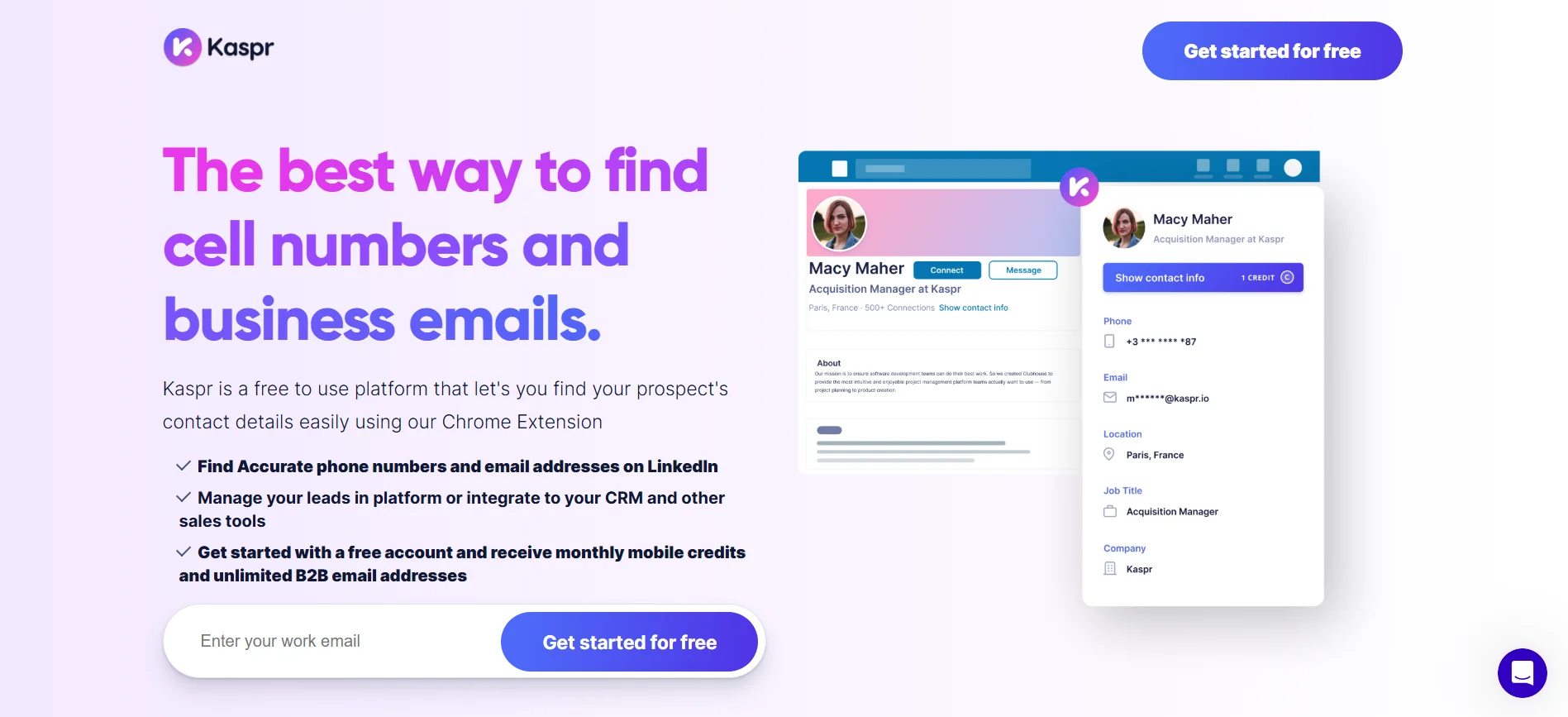
Kaspr is a LinkedIn-focused prospecting tool built to extract contact data in real time.
It works as a standalone solution for users who rely heavily on LinkedIn for lead generation.
The platform is designed to make prospecting faster and more direct.
Kaspr focuses on simplifying LinkedIn-based outreach.
These features make it ideal for LinkedIn-heavy workflows.
Kaspr offers pricing that caters to individual users and teams.
This makes it an affordable option for focused prospecting.
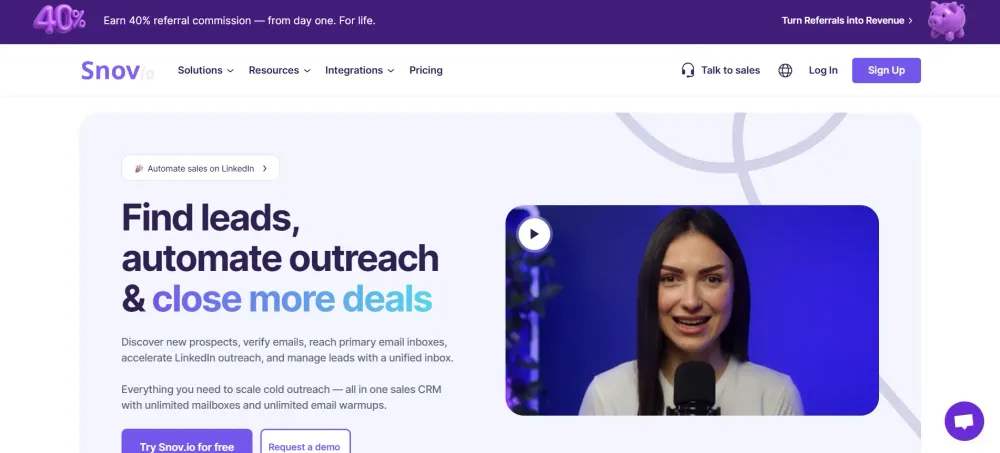
Snov.io is an all-in-one sales platform that combines email discovery, verification, and outreach automation.
It works as a standalone tool designed for startups and small teams that want to manage outbound in one place.
The platform is particularly useful for scaling email campaigns without adding multiple tools.
Snov.io combines multiple outreach capabilities into a single platform.
These features make it suitable for teams looking for simplicity and scalability.
Snov.io offers flexible pricing with options for different team sizes.
This makes it a strong choice for budget-conscious teams.
Suggested Reading:
12 Snov.io Alternatives Ranked by Features and PricingMost ZoomInfo competitors focus on giving you access to data.
But data alone doesn’t solve the real problem, which is turning leads into conversations and conversations into meetings.
This is where Oppora takes a different approach by combining data, intelligence, and execution into one system.
Similar to the solutions delivered by leading SaaS Development Companies, Oppora is designed to help businesses automate outreach, improve efficiency, and scale growth with AI-powered workflows.
Instead of adding more tools to your stack, it replaces the need for multiple disconnected workflows.
Smarter Lead Context for Better Targeting
Most ZoomInfo competitors give you static data like names, emails, and job titles. That’s useful, but not enough when you’re trying to reach the right decision-maker at the right time.
Oppora adds deeper context on top of raw data so you can actually understand who you are targeting.
This includes:
Instead of guessing who to reach out to, you focus only on high-fit prospects. This reduces wasted outreach and improves conversion quality from the start.
Personalization is where most outreach tools break. You either write everything manually or rely on basic templates that feel robotic.
Oppora solves this with AI-driven message generation that creates unique, context-aware emails for every lead.
You don’t just insert a first name. You get messaging that adapts based on:
This means you can scale thousands of emails without sounding repetitive or automated. Each message feels individually written, even when fully automated.
Unlike traditional ZoomInfo alternatives that only help you find leads, Oppora runs the entire outreach system for you.
Its 8 AI sales agents handle:
You set the workflow once, and the system keeps running continuously. This removes the need for daily manual SDR work and turns outreach into a self-running pipeline.
A strong ZoomInfo alternative should not force you to rebuild your stack. It should work inside it.
Oppora connects directly with tools like:
This ensures your data, conversations, and deals stay synchronized across systems. You don’t switch tools. You upgrade your entire workflow without disruption.
Choosing the right ZoomInfo competitor isn’t about picking the most popular tool.
It’s about finding something that actually fits how your team works day to day and supports your outreach goals without adding friction.
Every team approaches sales differently, so your tool should support how you already work.
If your focus is outbound, you’ll need strong prospecting and outreach capabilities in one place.
If you lean toward inbound or product-led growth, data enrichment and intent signals may matter more.
The best ZoomInfo competitor is the one that aligns naturally with your daily process instead of forcing you to adapt.
The quality of your outreach depends directly on the quality of your data.
If your contact information is outdated or incomplete, even the best campaigns will struggle to perform.
Look for tools that offer:
This ensures your efforts are focused on the right people from the start.
Pricing can quickly become a limiting factor, especially as your team scales.
Many tools come with rigid plans or hidden costs that make long-term usage expensive.
Instead, prioritize platforms that offer:
This helps you stay in control of your budget while still getting value.
Even a powerful tool can slow you down if it doesn’t fit into your workflow.
Your chosen platform should work smoothly with the tools your team already uses.
Focus on solutions that provide:
This reduces friction and keeps your sales process running efficiently.
Choosing the right ZoomInfo alternative comes down to understanding what your team actually needs to succeed.
Some tools focus purely on data, while others help you turn that data into real conversations and results.
If your goal is not just to find leads but to run smarter, more efficient outreach, it’s worth looking beyond traditional options.
That’s where a platform like Oppora can make a difference by combining data, personalization, and automation into one system.
If you’re exploring ways to simplify your workflow and improve outcomes, it might be a good place to start.
Yes, many ZoomInfo alternatives for startups are built with affordability and ease of use in mind. They often provide enough verified data and basic outreach features to help startups begin outbound sales without heavy investment or complex setup requirements.
Cheaper alternatives to ZoomInfo include tools like Apollo.io, Lusha, Snov.io, and Kaspr. These platforms offer lower pricing tiers, free plans, or usage-based models while still providing essential features like contact discovery, verification, and basic outreach automation.
Not always. Many affordable tools use real-time verification and multiple data sources to maintain accuracy. However, cheaper platforms may have smaller databases or limited global coverage compared to enterprise tools like ZoomInfo or Cognism.
Yes, some modern platforms combine prospecting, enrichment, and outreach in one system. This reduces the need for separate tools and simplifies workflows. However, the level of replacement depends on your team size, outreach volume, and integration needs.
Free plans are useful for testing and small-scale prospecting, but they come with credit limits. Paid plans offer higher accuracy, more data access, and automation features. If you rely heavily on outbound sales, paid tools usually provide better long-term value.
Summarize with AI
Share