Home
Blog
Oppora’s Claude MCP is Live. Connect our Email Database & Outreach features with any tool to build smart automations inside Claude.
Home
Blog
Manasa Goli
Published May 8, 2026
7 min

Try Oppora AI
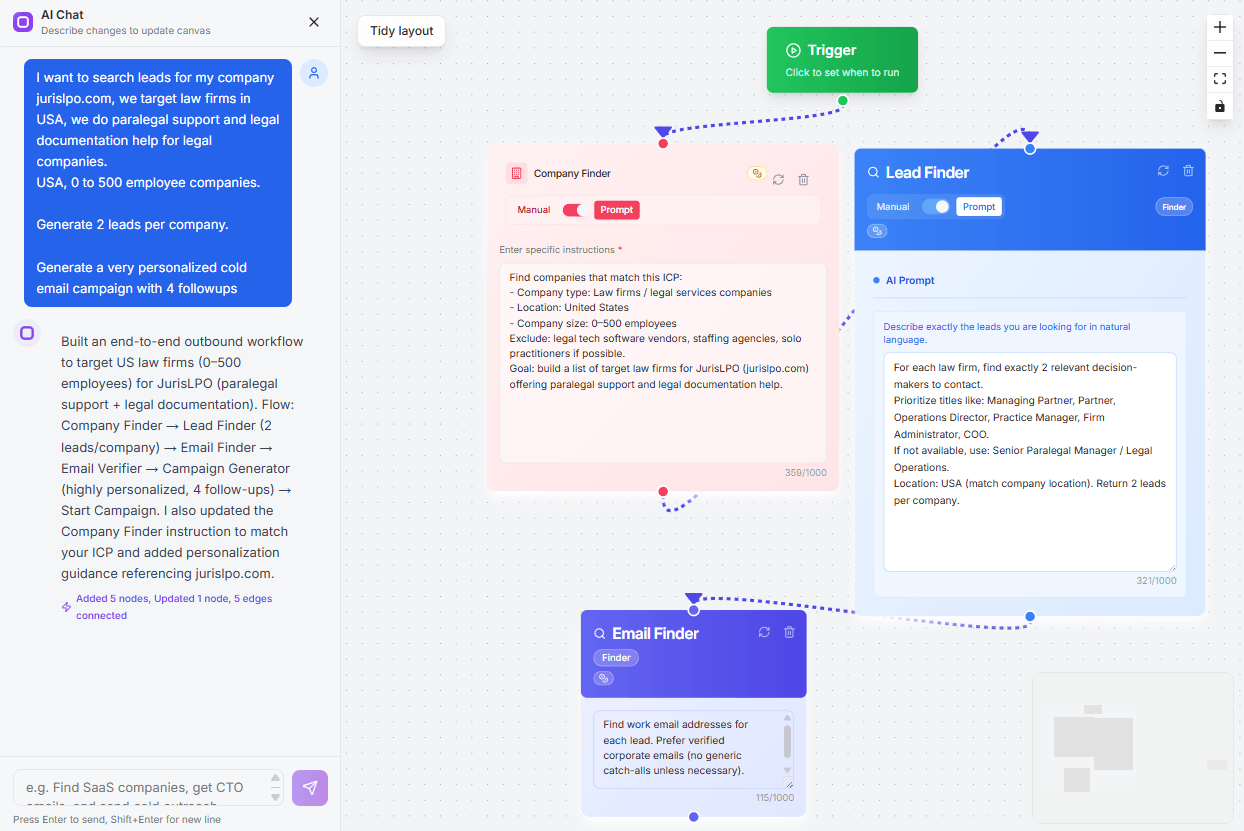
Create Self-Running Agentic Sales Workflows like N8N just by chatting with AI
Get Started for FREE
You’ve had a great sales call.
The prospect is interesting. They ask questions. They even say, “this looks good.”
And then… nothing happens.
They say they’ll “get back to you.” They disappear. The deal quietly dies.
This is where most sales conversations break — not at the pitch, but at the close.
The truth is, you don’t lose deals because you lack effort.
You lose them because you don’t guide the final decision clearly enough.
That’s exactly where the right sales closing phrases can change the outcome.
In this guide, you’ll learn:
Before we jump into phrases, you need to understand what’s actually broken.
Most blogs give you scripts.
But real buyers today don’t respond to scripts. They respond to relevance.
If your closing line sounds generic, the conversation loses authenticity.
Buyers today have seen it all:
These lines aren’t wrong. They’re just overused.
And when something feels overused, it feels less trustworthy.
A lot of people think closing happens in one sentence.
It doesn’t.
Closing actually happens across multiple moments:
The final line only works if everything before it builds toward it.
You don’t need more sales phrases for closing.
You need to know:
That’s what actually moves deals forward.
Now let’s shift from memorizing lines to understanding behavior.
Because the best sales closing phrases work due to psychology, not wording.
At the closing stage, your prospect is not asking:
“Is this a good product?”
They’re asking:
“Is this the right decision for me right now?”
Your job is to reduce that uncertainty.
There’s always one last hesitation holding the deal back:
Great best sales closing phrases address that exact friction.
If your closing feels pushy, it creates resistance.
If it feels like guidance, it builds confidence.
That’s the difference between a rejected deal and a signed one.
Now let’s get practical.
Instead of random phrases, these are grouped based on actual sales scenarios.
This is the most common situation.
They like your solution but aren’t committing.
Use sales closing phrases like:
Price objections are rarely about price.
They’re about perceived value.
Use these sales phrases for closing:
This is where most deals are silently lost.
You need clarity, not desperation.
Use:
Not every deal needs pressure.
Sometimes, a gentle push works better.
These are some of the best sales closing phrases for that:
Modern urgency is subtle.
It’s about clarity, not pressure.
Use these sales phrases for closing:
Now here’s the part most people ignore.
Knowing phrases is easy.
Using them correctly is what actually closes deals.
A closing line should feel like a continuation.
Not a sudden switch in tone.
If the conversation flows naturally, the close feels natural too.
Even the best sales closing phrases fail when used too early.
If the prospect isn’t ready, the phrase won’t work.
The same line can feel powerful or irrelevant depending on context.
Always tie your closing back to:
You don’t need fancy lines.
You need clarity and confidence in delivery.
At this point, improving sales closing phrases alone isn’t enough.
You need a system that consistently brings in the right prospects, starts conversations, and moves them toward decisions without manual effort.
That’s exactly where Oppora fits — it handles the entire outbound flow so your pipeline keeps growing while you focus on closing.
Here’s what Oppora does for you:
What this means for you:
In simple terms, you don’t just get better at closing
You get more chances to close in the first place
Closing deals is not about saying the perfect sentence.
It’s about saying the right thing at the right moment.
The best sales closing phrases are not magic lines.
They’re tools.
What matters is:
Test different approaches.
Refine what works.
And most importantly — don’t let good conversations die due to weak closing.
Yes, especially if they feel repetitive or forced.
If every message sounds like a “closing attempt,” it creates pressure.
The goal is not to close in every line, but to move the conversation forward naturally.
Yes, and this is where most people go wrong.
Cold leads respond better to soft, low-commitment phrases. Warm leads are ready for direct, action-oriented closing lines.
Using the wrong tone for the stage can slow down the deal.
They focus on sounding persuasive instead of being clear.
Confusing or overly clever lines reduce trust.
Simple, direct, and relevant always performs better.
Summarize with AI
Share