Home
Blog
Oppora's Claude MCP is Live. Connect our Email Database & Outreach features with any tool to build smart automations inside Claude. Start for Free
Home
Blog
Stephen Parker
Published June 4, 2026
14 min
Try Oppora AI
Create Self-Running Agentic Sales Workflows like N8N just by chatting with AI
Get Started for FREE
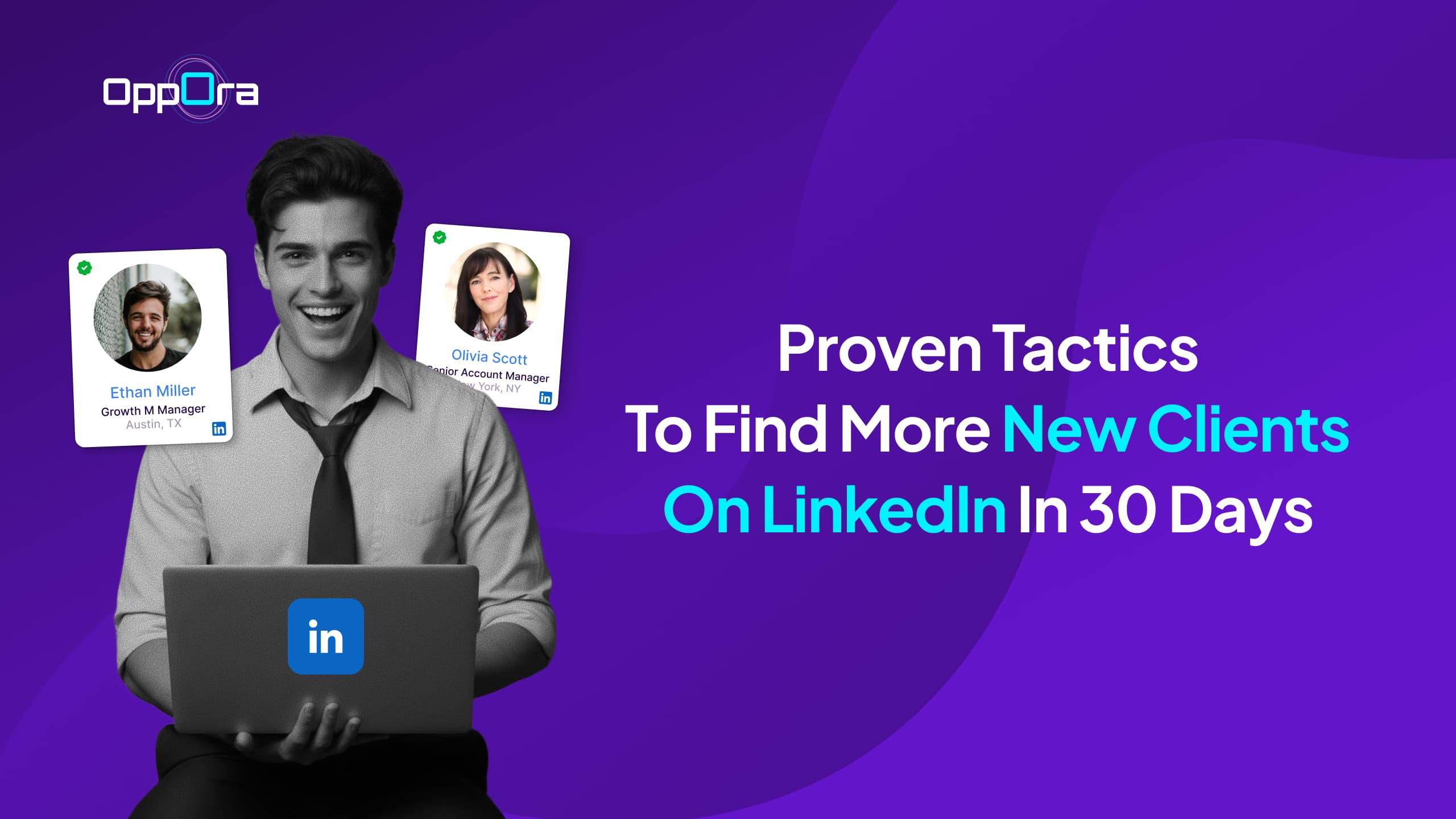
LinkedIn can bring you high-value clients, but only when you treat it like a relationship-building channel, not a place to send random pitches.
And, if you are wondering how to get clients on LinkedIn in the next 30 days, the goal is not to message everyone.
The goal is to find the right people, start useful conversations, and stay consistent long enough to build trust.
In this guide, you’ll learn:
Before you start sending connection requests or pitching your offer, you need the basics in place.
Getting clients on LinkedIn is not only about finding people.
It is about making sure the right people understand who you are, what you do, and why they should continue the conversation.
Your LinkedIn profile is usually the first thing a prospect checks before replying to you.
So it should not read like a resume.
It should clearly show who you help, what problem you solve, and what outcome you create.
Your headline should go beyond your job title and explain your value in simple words.
Your banner, about section, featured section, and experience should all support the same message.
When a potential client lands on your profile, they should quickly understand:
If your profile feels unclear, even a good message can get ignored.
But when your profile is sharp, every connection request, comment, and message works harder for you.
You cannot bring in the right clients from LinkedIn without first knowing who you actually want to reach.
Trying to connect with everyone usually leads to weak conversations and poor-fit leads.
Instead, define your ideal client before you start prospecting.
Think about their industry, company size, role, location, pain points, and buying triggers.
You should also know what kind of client is not a good fit.
That clarity helps you search better, write better messages, and spend your time on people who are more likely to need your offer.
A narrow target market does not limit your opportunity.
It makes your outreach more relevant, which is what helps you get better replies.
Once you know who you want to reach, you need a reason for them to care.
That reason is your offer.
Your offer does not have to be complicated, but it should feel specific and valuable.
Instead of saying, “I help businesses grow,” say what kind of growth you help with and how it connects to a real business problem.
A strong offer usually answers three questions:
This matters because LinkedIn conversations move fast.
If your offer feels vague, prospects will not take the next step.
But when your offer connects to something they already want, your outreach feels useful instead of random.
Messaging is where many people lose good opportunities.
They connect with the right person, then immediately send a long pitch that feels copied and pasted.
That is not how to get clients on LinkedIn.
Your first message should feel like the beginning of a conversation, not a sales presentation.
Keep it short, personal, and relevant to the person you are contacting.
Mention something specific about their role, company, content, or challenge.
Then ask a simple question or open a natural conversation.
The goal is not to close the deal in one message.
The goal is to create enough interest for the prospect to reply.
Once they respond, you can understand their situation and guide the conversation from there.
Suggested Reading:
How to Prevent Emails From Going to Spam (12 Deliverability Fixes That Work)Outreach helps you start conversations, but content helps people trust you before you ever message them.
When prospects see your posts regularly, they start to understand how you think.
They see your expertise, your point of view, and the problems you can help solve.
Your content does not need to be perfect.
It needs to be useful and consistent.
You can share lessons from client work, common mistakes, simple frameworks, industry observations, or short stories from your experience.
The best content usually speaks directly to your ideal client’s daily problems.
This makes your profile warmer when people visit it.
And when you combine content with outreach, getting clients on LinkedIn becomes much easier because people already have context before the first conversation.
Most LinkedIn opportunities do not turn into clients from one message.
They come from follow-ups, timing, and consistent relationship-building.
That is why you need a simple system to track who you contacted, who replied, who needs a follow-up, and who may be ready later.
You can use a spreadsheet, CRM, or sales outreach tool.
The tool matters less than the habit.
Without tracking, good leads slip through the cracks.
You forget to follow up, lose context, or message the same person twice with no clear plan.
A simple tracking system helps you stay organized and professional.
That consistency can make the difference between random LinkedIn activity and real client conversations.
Once your profile, offer, messaging, and follow-up system are ready, you can start taking action.
The goal is not to do random outreach every day and hope someone replies.
The goal is to use the right mix of prospecting, content, AI, and relationship-building so you can create more qualified conversations in less time.
These tactics will help you turn LinkedIn into a more focused client acquisition channel, instead of relying on random posts and cold messages.
Manual prospecting on LinkedIn can work, but it becomes slow when you are trying to find new clients consistently.
You may spend hours checking profiles, company pages, job titles, and websites before you even know whether someone is a good fit.
This is where tools like Oppora.ai can help you prospect faster while keeping your list accurate.
Instead of guessing, you can use filters, enrichment, and AI-assisted lead scoring to find better prospects.
Focus on tools that help you:
This helps you save time and focus on people who are more likely to need your offer.
Once you have a good prospect list, your next challenge is starting conversations consistently.
Writing every connection request, follow-up, and message manually can slow you down fast.
AI can help you scale outreach without making every message sound robotic.
The key is to use AI as a support system, not as a replacement for real personalization.
You can use AI to:
This is especially useful when you are testing different outreach angles.
You can see which message gets more replies, then improve your approach based on real conversations.
Your LinkedIn network should not be full of random people.
It should include prospects, partners, industry voices, and people who can introduce you to potential clients.
A targeted network makes your content more useful because the right people are more likely to see it.
It also makes your outreach stronger because your connection requests feel more relevant.
To build a better network, search for people based on:
When you send a connection request, keep it simple and personal.
Mention something relevant about their work, company, or content instead of pitching immediately.
That small effort can make getting clients on LinkedIn feel more natural and less forced.
Outreach helps you start conversations, but content helps people trust you before they reply.
When your content speaks to your ideal client’s problems, you become more visible and more credible.
You do not need to post every day with a perfect content calendar.
You just need to share useful ideas consistently.
You can post content around:
You can also test different formats like carousels, short videos, polls, text posts, and articles.
End your posts with soft calls-to-action that invite conversation.
A simple line like “Happy to share the checklist if useful” feels more natural than a hard pitch.
LinkedIn Groups can still help when you choose the right ones.
The trick is to join groups where your ideal clients are active, not just groups filled with other sellers.
Look for groups based on your niche, industry, service category, or target audience.
Then focus on contributing before selling.
You can use groups to:
Do not drop your pitch in every discussion.
That usually gets ignored.
Instead, be helpful first.
When someone responds to your comment or asks a follow-up question, that can become a natural opening for a private conversation.
If you are serious about getting more clients on LinkedIn, you need to track what is working.
Without data, it is easy to repeat the same actions even when they are not bringing results.
LinkedIn gives you signals through profile views, post performance, and engagement.
Your outreach system should also track replies, follow-ups, and booked calls.
Pay attention to:
If your profile views are low, you may need more visibility.
If people visit your profile but do not respond, your positioning may need work.
If your messages get ignored, your targeting or opening line may be too broad.
Most people send cold messages and stop there.
You can stand out by using warmer, more thoughtful networking techniques.
Start by checking mutual connections before reaching out to high-value prospects.
A warm introduction can create trust much faster than a cold message.
You can also collaborate with people who serve the same audience but offer a different solution.
This can include:
Creative outreach also helps.
Instead of sending a generic pitch, share a useful observation about their company, content, or market.
When your message feels specific, prospects are more likely to take it seriously.
You do not always need to message prospects first.
Sometimes it is better to engage with them before starting a private conversation.
Comment on their posts with real thoughts.
React to company updates.
Congratulate them on launches, promotions, hiring updates, or business wins.
These small interactions help you become familiar before you reach out.
You can personalize engagement by:
This makes your outreach feel warmer because you are no longer a complete stranger.
Clients usually do not trust you after one post or one message.
They trust you after seeing your ideas, results, and perspective repeatedly.
That is why consistency matters.
When you show up often with useful content and thoughtful engagement, people start associating you with the problem you solve.
You can build authority by sharing:
You do not need to sound overly polished.
You need to sound clear, helpful, and consistent.
Over time, this makes it easier for prospects to remember you when they need help.
That is one of the strongest ways to support getting clients on LinkedIn long term.
Paid LinkedIn features can help, but they should support a strategy that already works.
Do not use paid tools to push weak messaging to more people.
First, test your profile, content, and outreach organically.
Then use paid features to scale what is already getting attention.
You can use paid LinkedIn features for:
Paid features work best when combined with strong targeting, useful content, and consistent follow-up.
When you bring AI, organic engagement, and paid tools together, you create a stronger system for to get new clients on LinkedIn without relying on one single tactic.
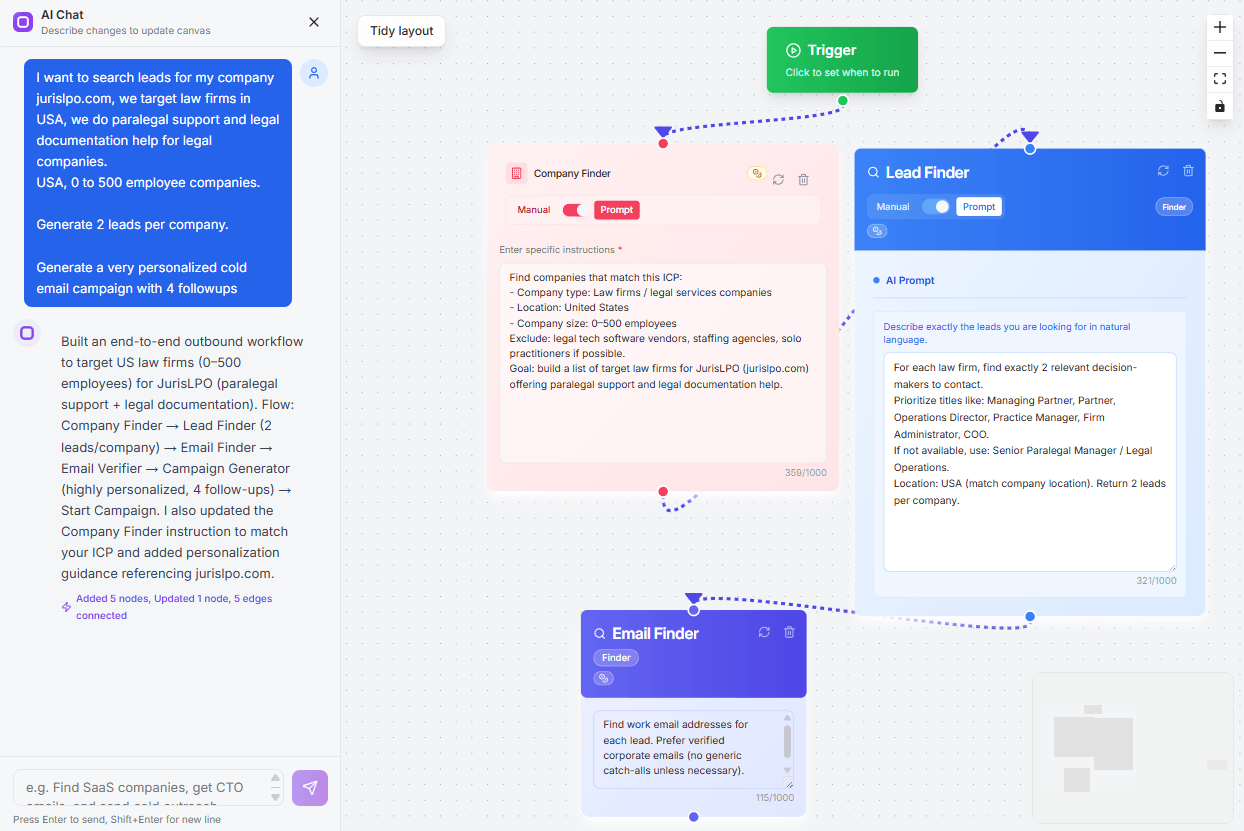
Oppora.ai is an AI sales agent platform that helps you find, enrich, and reach LinkedIn prospects faster through automated outreach workflows.
So instead of managing LinkedIn prospecting, email finding, follow-ups, and replies separately, you can bring the full process into one system.
The first step in getting clients on LinkedIn is finding people who actually match your ideal client profile.
Oppora.ai helps you search for relevant prospects and enrich their details, so you are not building lead lists based on guesswork.
You can use Oppora.ai to:
This helps you save time and start conversations with people who are more likely to need your offer.
When you are browsing LinkedIn, you will often come across profiles that look like a good fit.
But manually copying their details, checking their company, and searching for contact information can slow down your workflow.
Oppora.ai’s LinkedIn extension helps you prospect while you browse.
You can use it to:
This is useful when you want to move fast but still keep your prospecting accurate.
Suggested Reading:
LinkedIn Lead Generation Extension: Your Complete AI-Powered GuideSales Navigator is helpful when you want to find highly targeted LinkedIn leads.
But after you find those leads, you still need to organize them, enrich them, and prepare them for outreach.
Oppora.ai helps you move Sales Navigator leads into your outreach workflow and make them more actionable.
You can use it to:
This makes your prospecting process cleaner because your best LinkedIn leads do not stay stuck inside Sales Navigator.
Sending connection requests manually every day can become repetitive.
And if you forget to manage old pending requests, your LinkedIn profile can get cluttered quickly.
Oppora.ai helps you automate connection sending while keeping the process organized.
You can use it to:
This helps you stay consistent without spending too much time on repeated manual actions.
LinkedIn is powerful, but not every prospect checks LinkedIn messages regularly.
Some people respond faster through email, which is why combining both channels can help you create more conversations.
Oppora.ai lets you run LinkedIn and email outreach together in one workflow.
You can use it to:
This gives you a stronger system for how to get new clients on LinkedIn because you are not relying on one channel alone.
Suggested Reading:
How to Combine LinkedIn Outreach with Email CampaignsOne of Oppora.ai’s biggest pricing benefits is that you do not need separate tools for LinkedIn prospecting, email finding, email verification, outreach, and follow-ups.
Many platforms give you one shared credit pool, and you often spend those credits on contacts that still need to be verified later.
With Oppora.ai, you get task-specific credits, so email search, email verification, and enrichment are handled more clearly.
Depending on your plan, you can get up to 10,000 email search credits and 10,000 email verification credits, which means you can build a cleaner LinkedIn prospect list before starting outreach.
With Oppora.ai, you can:
This makes Oppora.ai useful when you want to scale LinkedIn outreach without stacking multiple tools or burning credits on contacts that are not ready for outreach.
Learning how to get clients on LinkedIn is not about sending more messages to more people.
It is about building a clear profile, knowing who you want to reach, sharing useful content, and starting conversations that feel relevant to the other person.
When you combine targeted prospecting, personalized outreach, consistent follow-ups, and relationship-building, LinkedIn becomes much more than a networking platform.
It becomes a reliable channel for finding new business opportunities.
Start with the fundamentals first.
Then apply the tactics one by one over the next 30 days.
And if you want to save time while finding, enriching, and reaching better prospects, Oppora.ai can help you turn LinkedIn outreach into a more organized system.
You can explore Oppora.ai when you are ready to make LinkedIn prospecting faster and easier.
To get clients on LinkedIn, start with a clear profile, define your ideal client, share useful content, and send personalized messages. Focus on starting relevant conversations instead of pitching immediately.
The best way to get new clients on LinkedIn is to combine targeted prospecting, helpful content, and consistent follow-ups. This helps you reach the right people while building enough trust for them to respond.
Yes, AI can help with getting clients on LinkedIn by speeding up prospect research, message writing, lead scoring, follow-ups, and outreach planning. The key is to use AI for support while keeping your messages personal and relevant.
Keep your message short, specific, and focused on the prospect. Mention something relevant about their role, company, or content, then ask a simple question instead of sending a long sales pitch.
Tools like Oppora.ai can help you find prospects, enrich leads with verified contact details, automate outreach steps, and manage follow-ups in one workflow. This makes LinkedIn prospecting faster and more organized.
Summarize with AI
Share