Home
Blog
Find 500 B2B Contacts for Free Every Month with Built-In Outreach.
Home
Blog
Manasa Goli
Published January 29, 2026
10 min
Try Oppora AI
Create Self-Running Agentic Sales Workflows like N8N just by chatting with AI
Get Started for FREE
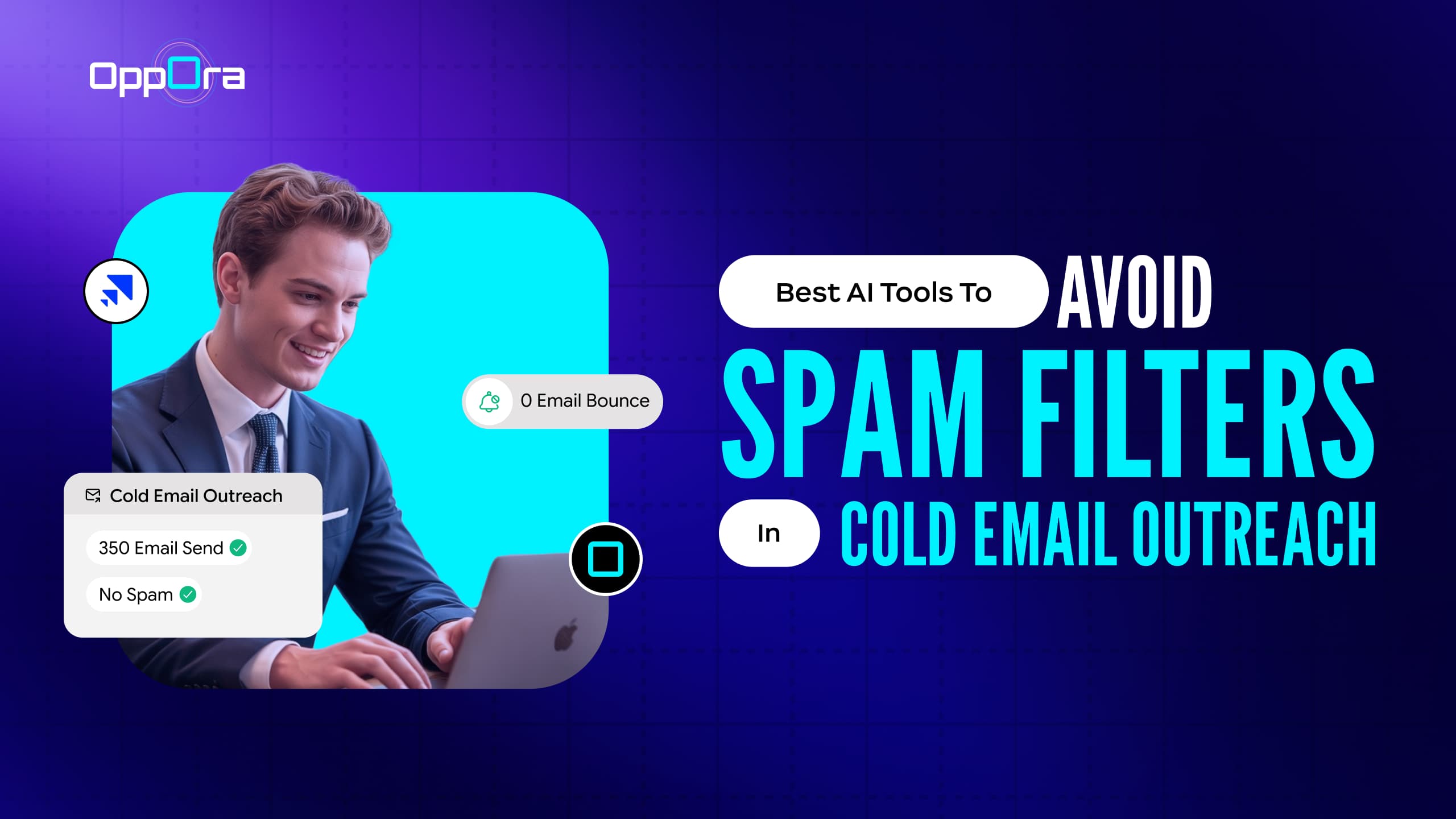
Cold email outreach remains one of the most effective channels for B2B lead generation, but there’s a catch: over 45% of legitimate cold emails never reach the inbox due to advanced spam filters. Modern filters evaluate not only the content of your emails but also sender reputation, engagement signals, and sending patterns.
AI tools are no longer optional — they are essential for teams that want to scale outreach without triggering spam filters. These tools help optimize content, automate warm-up sequences, manage sending cadence, and track deliverability metrics.
In this guide, we’ll explore 11 AI tools that help you avoid spam filters, with deep analysis for each, plus a unique comparison table and actionable best practices for combining these tools effectively.
Before diving into tools, it’s important to understand how modern spam filters work, so you can see why certain features matter.
Spam filters evaluate:
Example: Sending a generic “Get your free trial NOW!!!” to 1,000 recipients from a new Gmail account will likely land in spam, even if the rest of the content is clean.
Filters now track how recipients interact with emails:
Example: A personalized email that gets a reply improves future deliverability, whereas mass sending the same email reduces inbox placement.
Automation can improve deliverability if done correctly:
Example: Tools like Oppora manage sending patterns and warm-up sequences to maintain inbox safety, whereas blasting 5,000 emails at once from one account risks immediate spam flags.
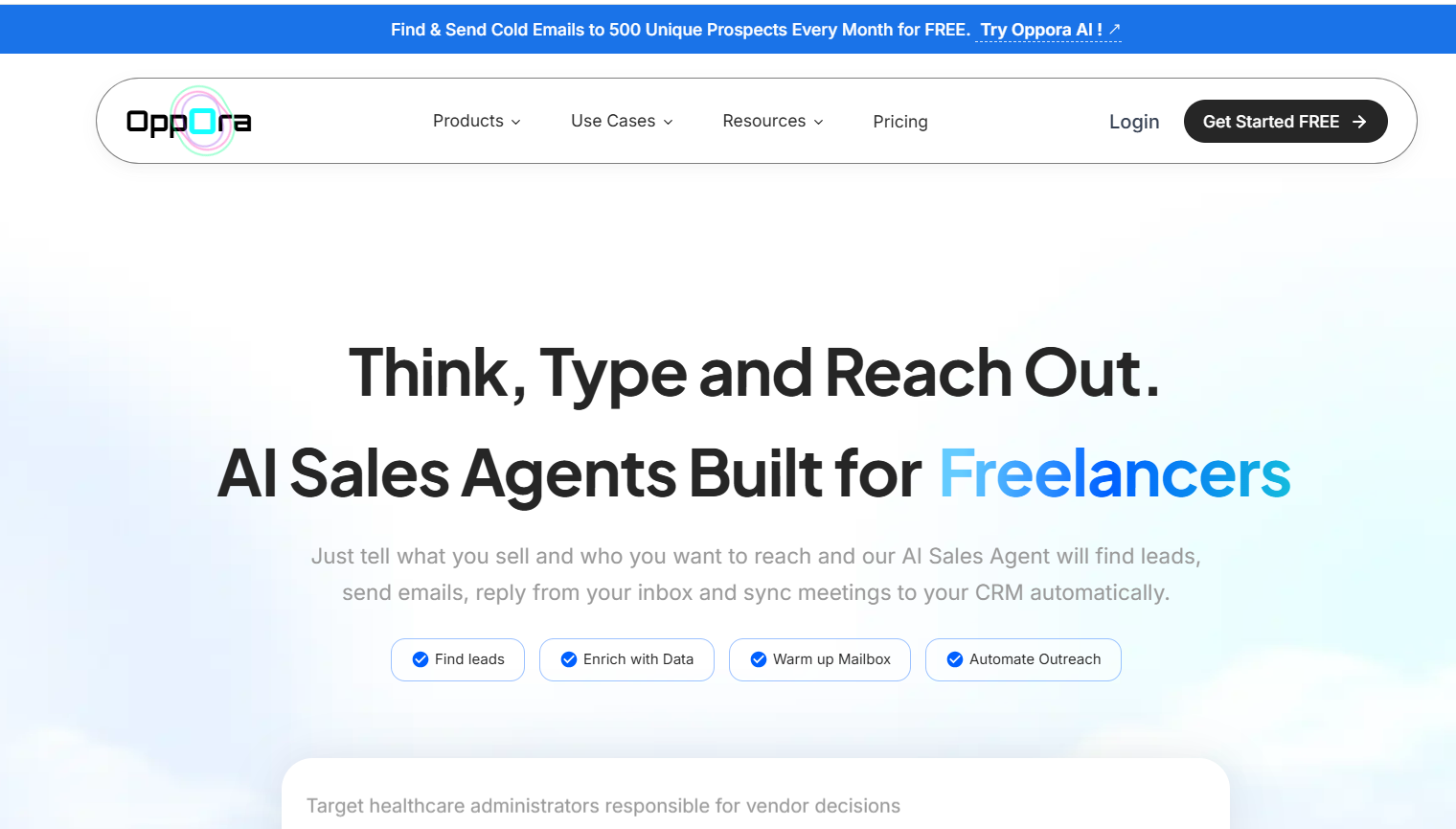
Oppora.ai is an all‑in‑one AI sales automation platform that helps teams build personalized outreach campaigns and scale them without hitting spam filters. It uses AI templates and dynamic lead data (e.g., names, roles, company info) to generate tailored email sequences that feel human.
With multi‑email sending, smart follow‑ups, and built‑in analytics, Oppora helps maintain healthy sending patterns and monitor deliverability signals to keep campaigns inbox‑friendly. It also enriches, verifies, and scores leads to ensure outreach targets real, relevant contacts — reducing the risk of spam flagging.
Features:
Pros:
Cons:
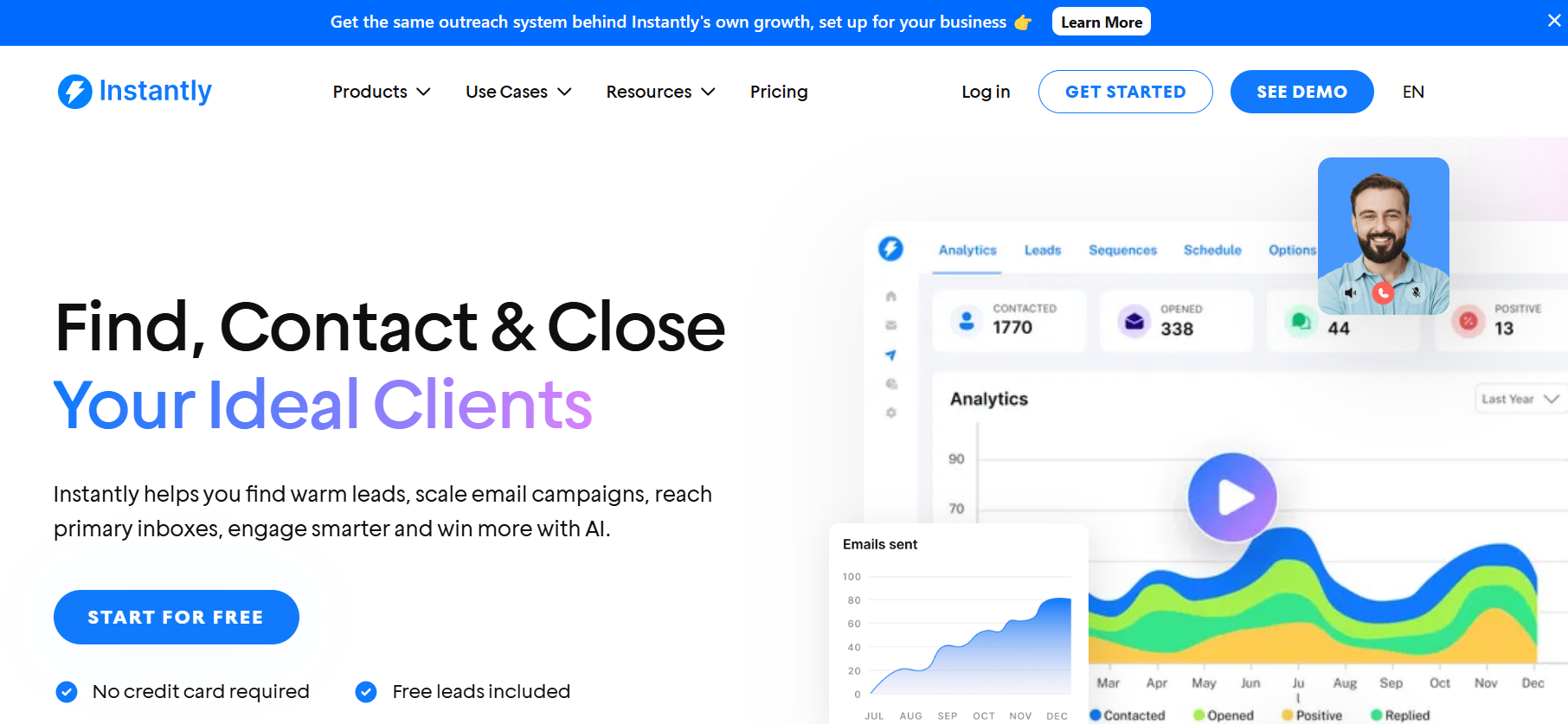
Instantly is designed to improve inbox placement for high-volume email campaigns. It warms up accounts, rotates IPs, and checks spam-trigger keywords, helping large campaigns avoid spam filters and maintain healthy sender reputation.
Features:
Pros:
Cons:
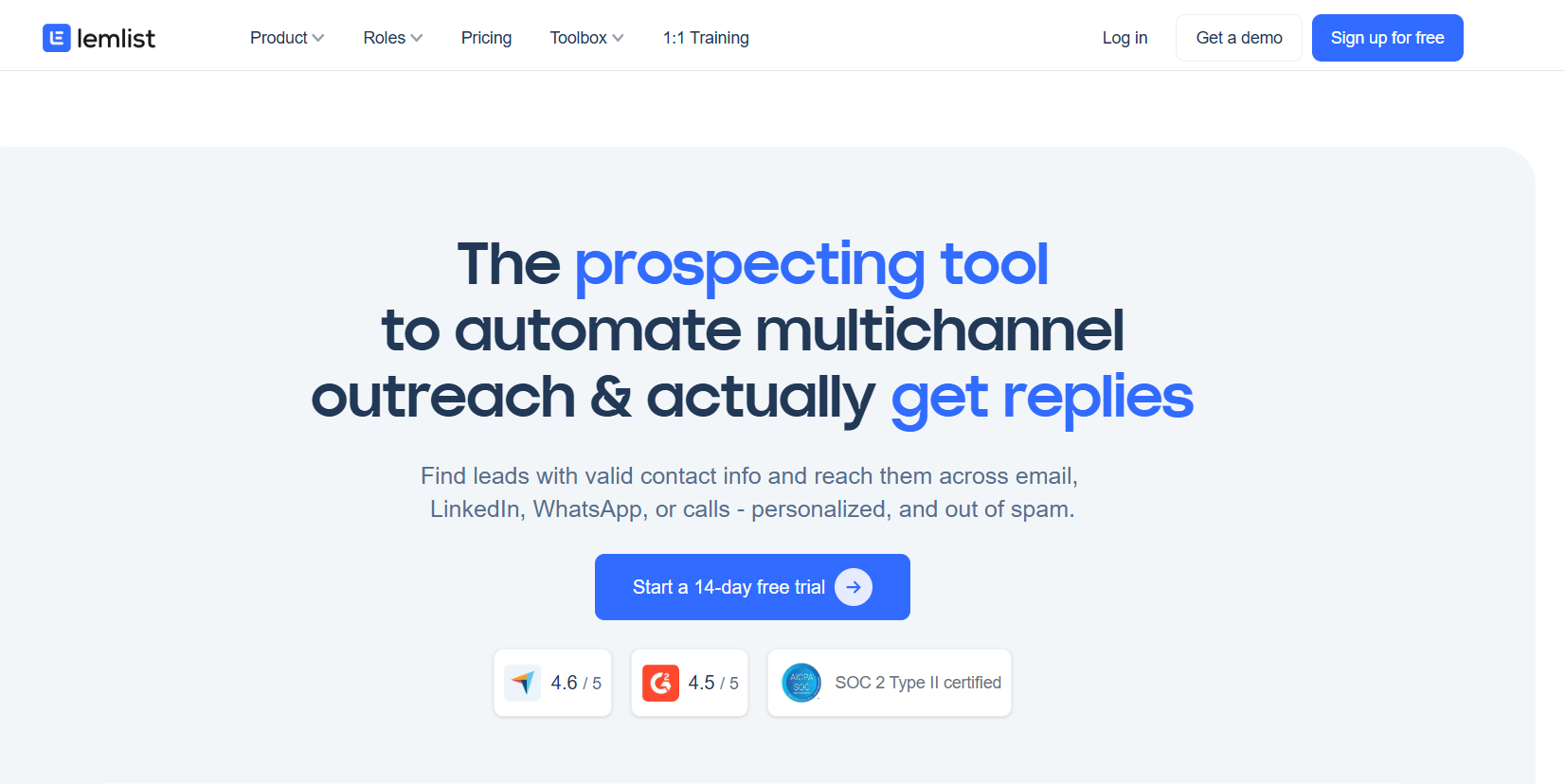
Lemlist focuses on warming up inboxes and pacing sends so emails appear natural. By simulating human-like sending behavior, it helps prevent spam filters from flagging new or large campaigns.
Features:
Pros:
Cons:
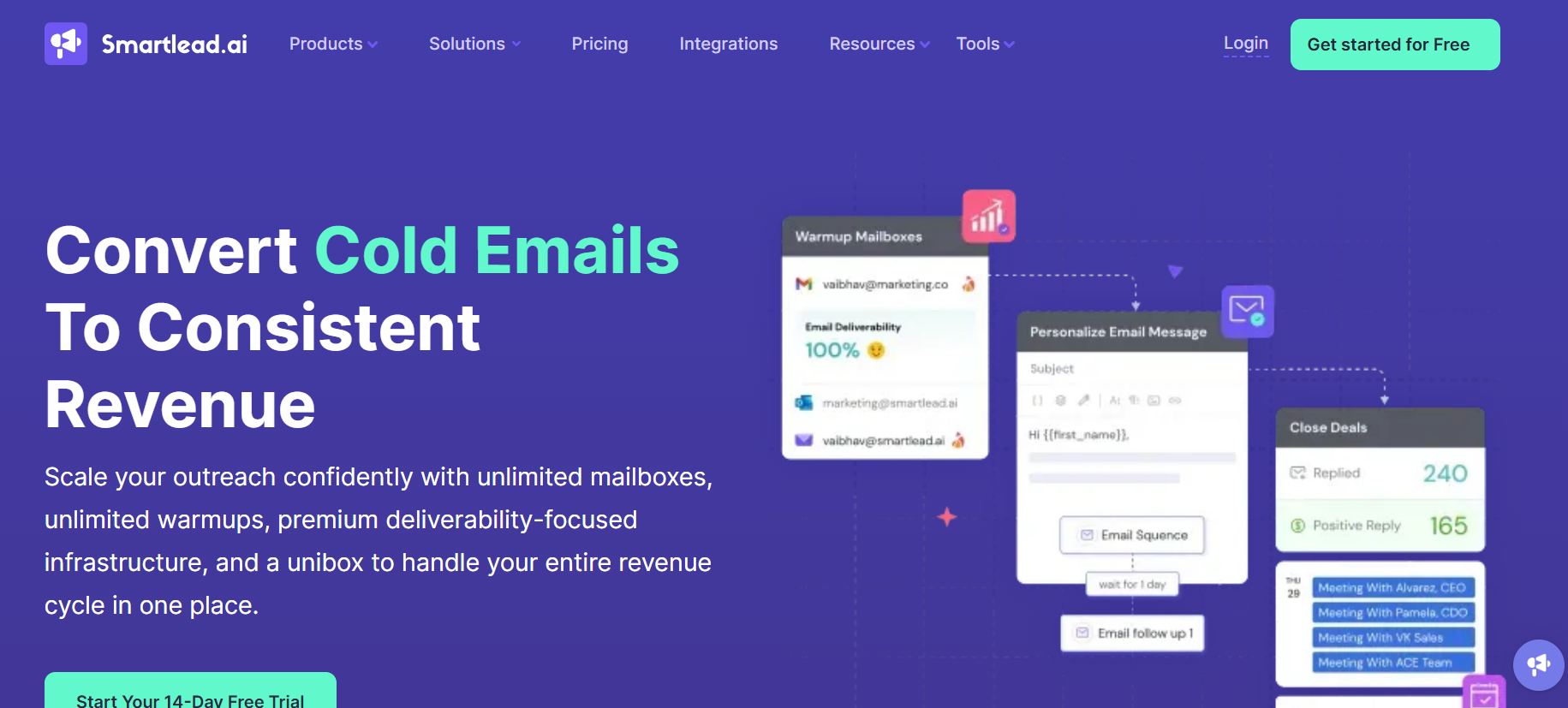
Smartlead.ai monitors campaigns for spam triggers, rotates inboxes, cleans lists, and tracks engagement. It is built to maintain high deliverability for medium and large-scale email outreach.
Features:
Pros:
Cons:
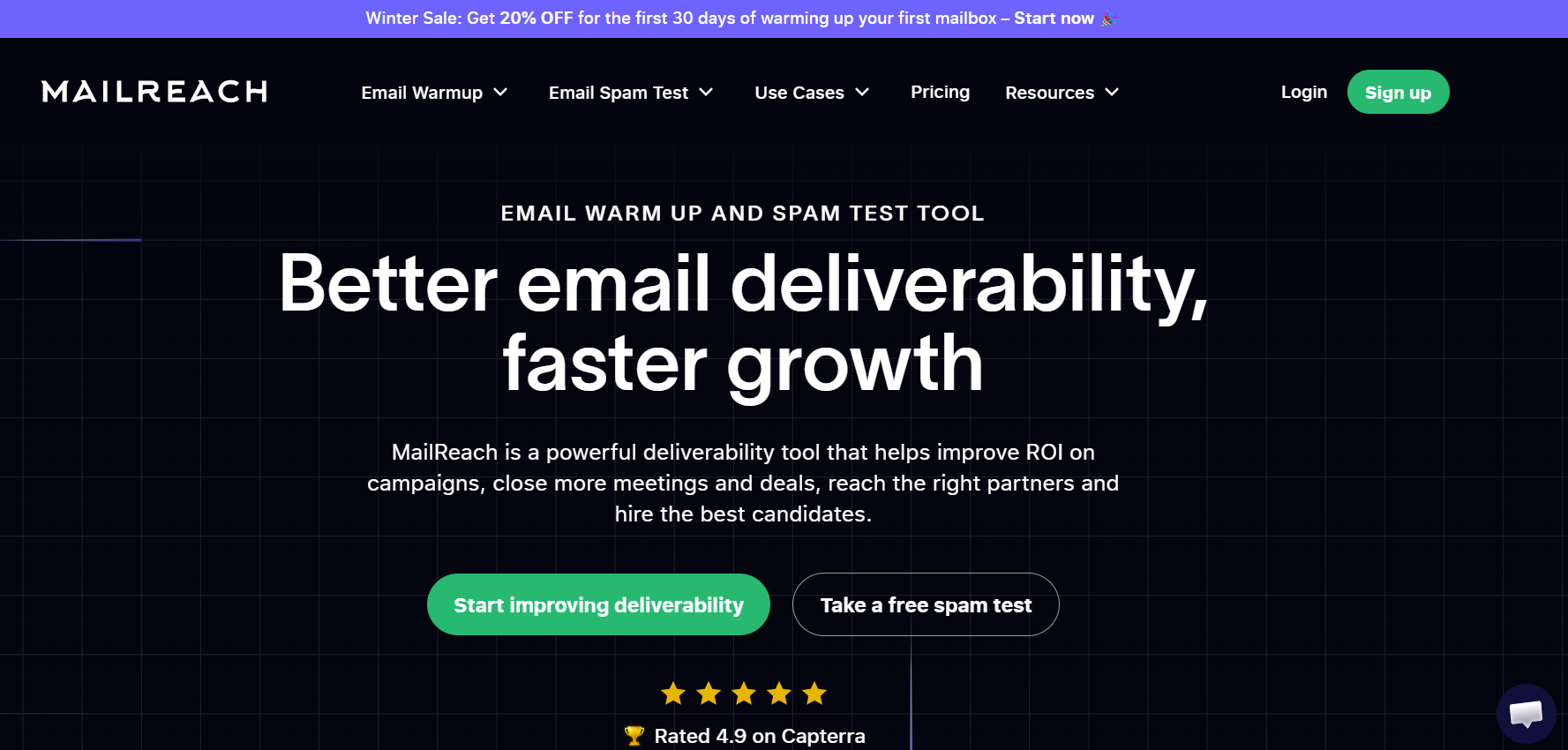
MailReach allows you to simulate inbox placement to see exactly where emails land. It helps teams optimize content and sending patterns to avoid spam filters.
Features:
Pros:
Cons:
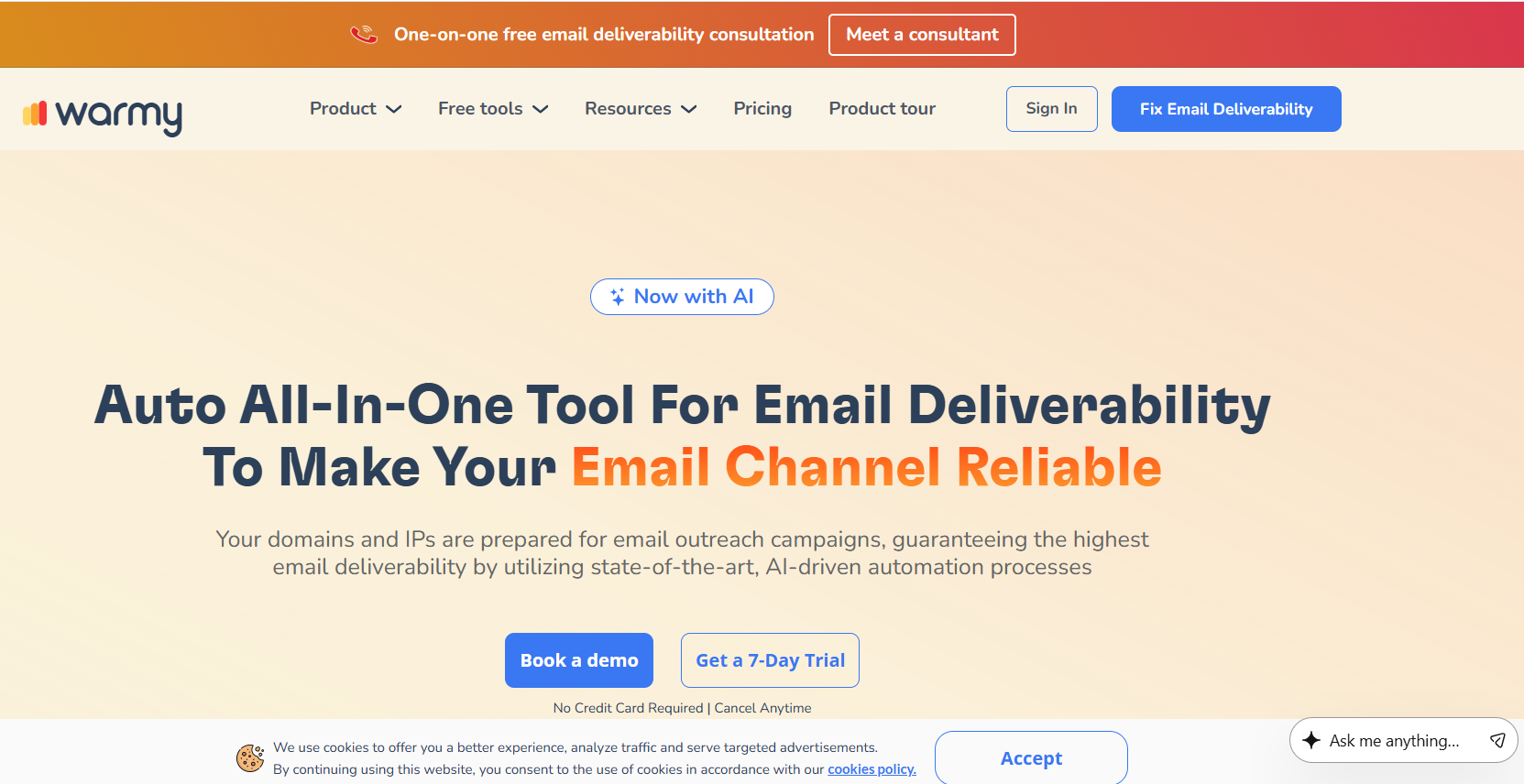
Warmy.io focuses on warming up new email domains and maintaining sender health. Gradual warm-up ensures your domain establishes credibility with spam filters before sending large campaigns.
Features:
Pros:
Cons:
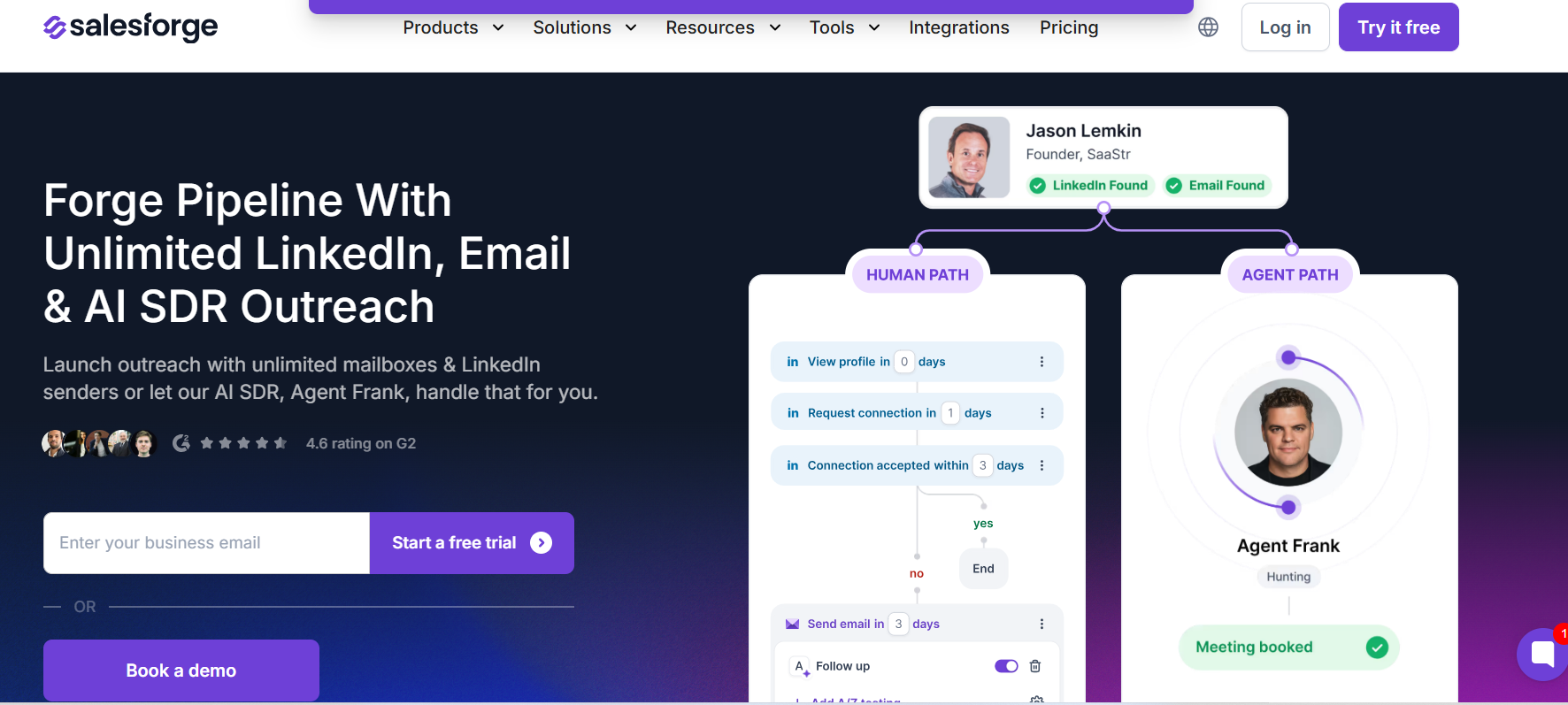
Salesforge combines AI personalization with inbox warm-up to ensure emails are both engaging and deliverable. It helps scale campaigns across multiple accounts without triggering spam filters.
Features:
Pros:
Cons:
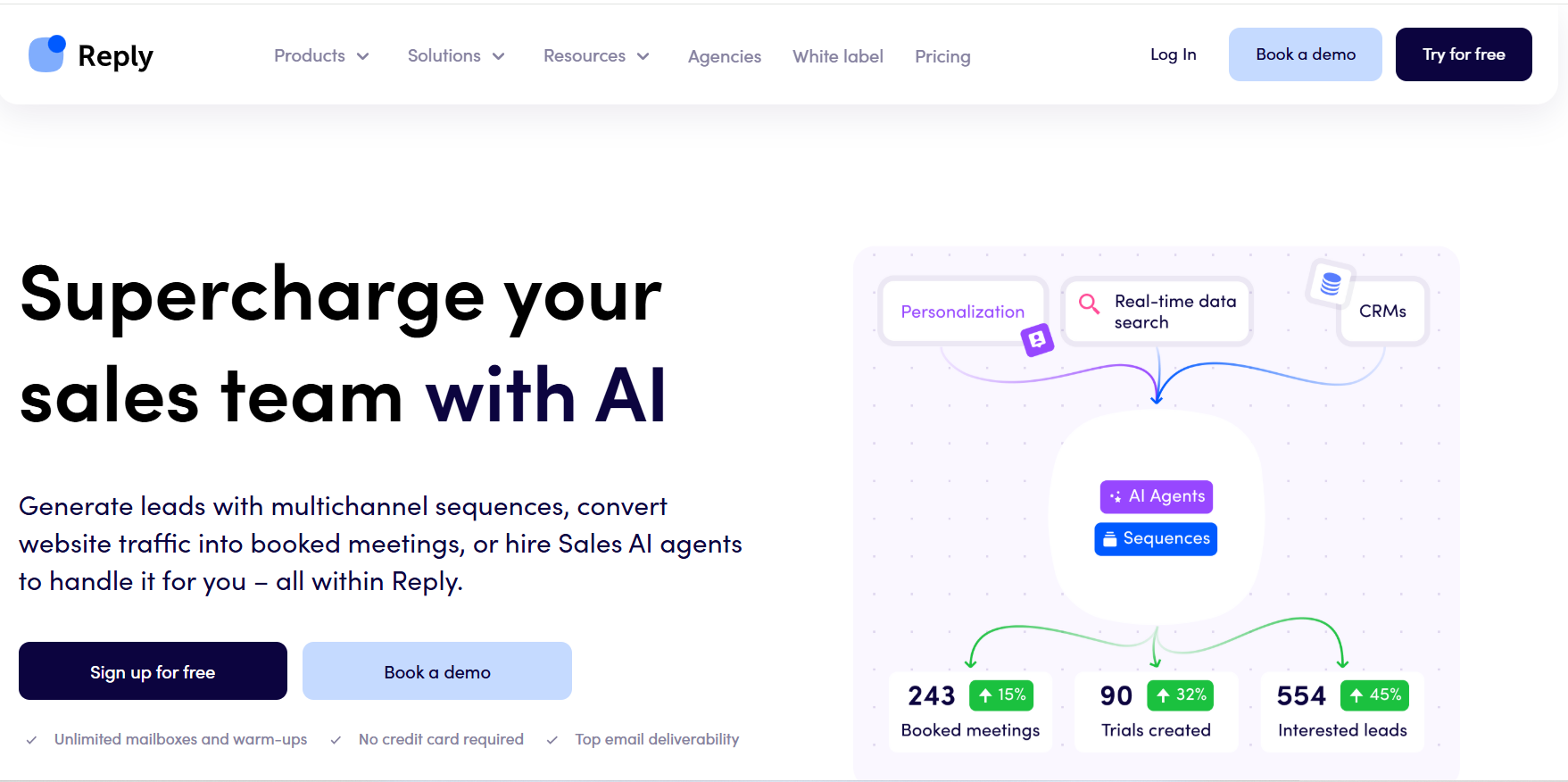
Reply.io uses AI to add variables and personalization to emails while avoiding spam-triggering patterns. It increases engagement without risking deliverability.
Features:
Pros:
Cons:
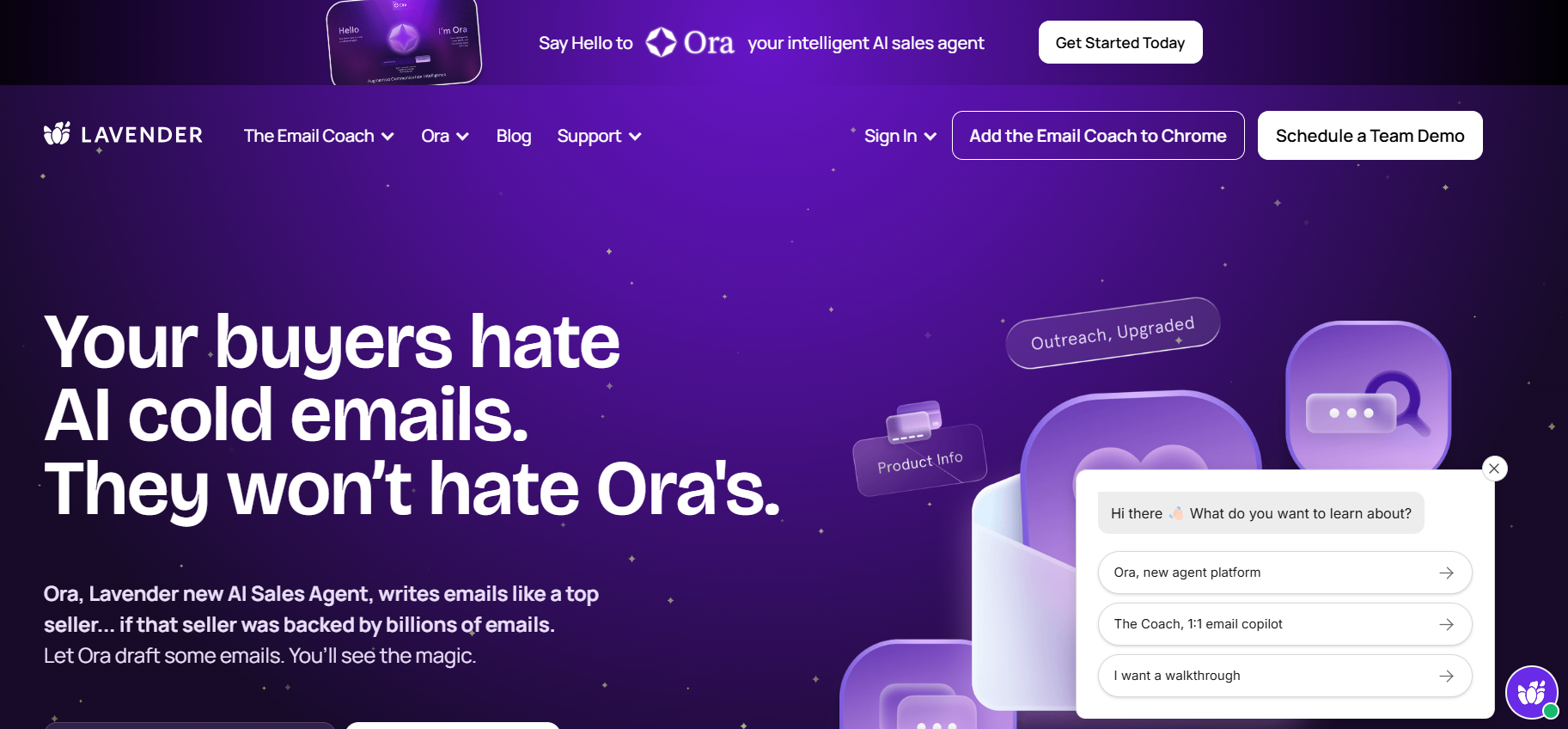
Lavender AI optimizes email copy for spam safety and engagement. It checks subject lines, body content, and tone to improve inbox placement.
Features:
Pros:
Cons:
Phrasee generates email subject lines and body copy using AI to sound natural and human-like, reducing spam triggers while improving engagement.
Features:
Pros:
Cons:
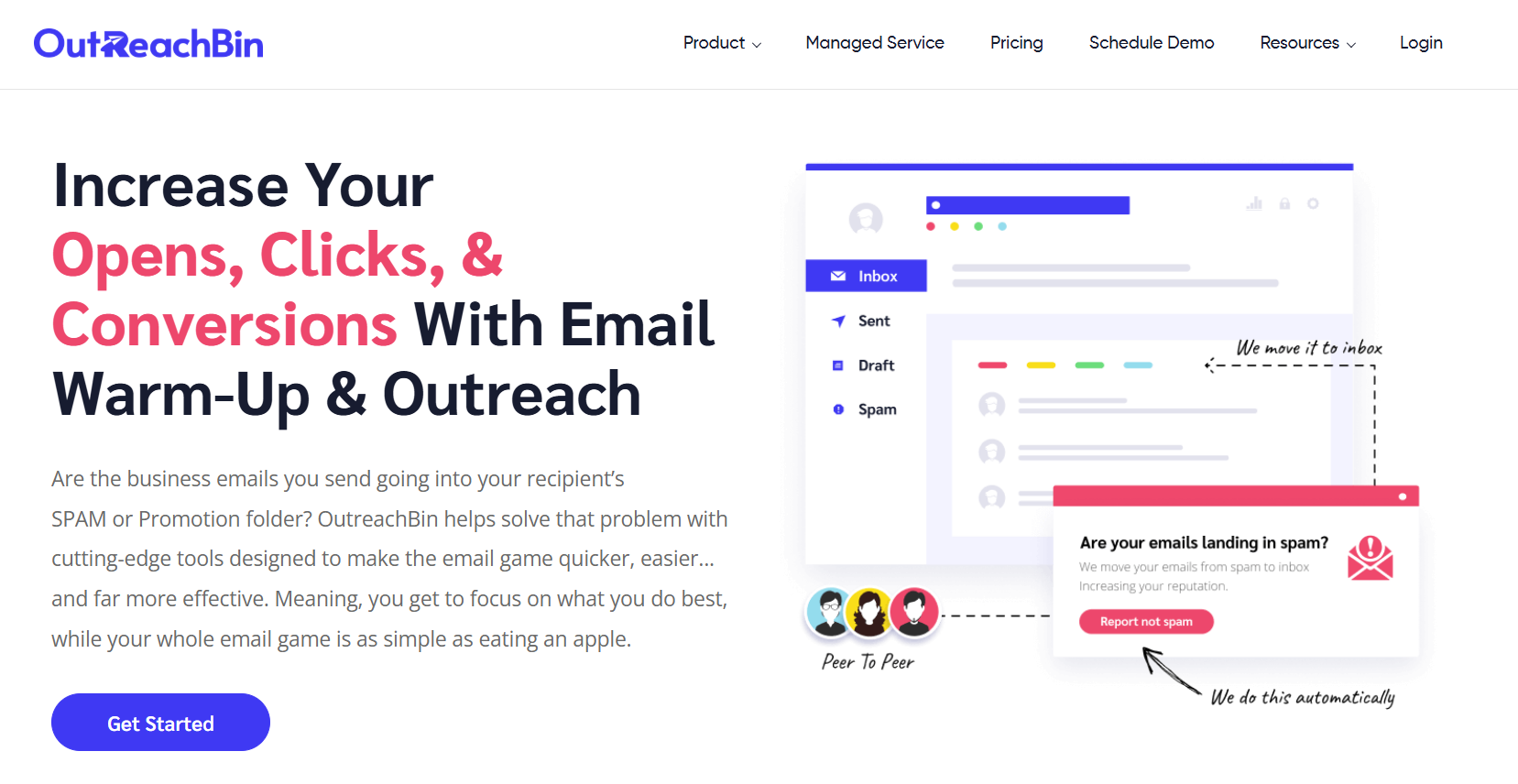
OutreachBin AI helps teams send personalized campaigns across multiple inboxes safely. Warm-up sequences and analytics maintain high deliverability for medium-scale campaigns.
Features:
Pros:
Cons:
Maximizing inbox placement is not just about using AI tools — it’s about creating a workflow that mimics natural, human-like behavior, avoids spam triggers, and continuously optimizes campaigns based on engagement data. Below is a detailed guide:
Before sending any campaign, ensure your email list is clean and high-quality. Sending to invalid or outdated addresses increases bounces, which negatively affects your sender reputation and can trigger spam filters.
Key Steps:
Why it matters: Spam filters track bounce rates and mark domains with high bounce history as risky. Starting with a clean, validated list ensures your emails are trusted from the first send.
New email accounts or domains are more likely to be flagged by spam filters. Gradually ramping up sending volume helps build sender reputation naturally.
Best Practices:
Why it matters: Filters look for unusual spikes in sending patterns. A gradual warm-up signals that your email is coming from a legitimate sender, increasing deliverability.
Content is a major factor for spam filters. Emails that appear generic or contain spammy keywords are more likely to be flagged. AI tools can assist in personalization and optimization, but the approach must remain natural.
Tips for Optimization:
Why it matters: Spam filters are now engagement-sensitive, tracking whether recipients interact with your content. Personalization makes emails feel relevant, increasing open and reply rates, which in turn signals filters that your email is legitimate.
Continuous monitoring is critical. Even a perfectly warm-up campaign can fail if recipients don’t engage. Track key metrics and adjust your campaigns accordingly.
Metrics to Track:
Actionable Strategy:
Why it matters: Filters now use behavioral signals — if your emails are ignored or marked as spam, future messages are more likely to be blocked. Tracking engagement allows you to react proactively.
No single tool covers all aspects of deliverability, personalization, and scaling. A combined workflow ensures each stage of your outreach is optimized.
Recommended Workflow:
Example Approach:
Why it matters: A structured, strategic workflow ensures your campaigns are not only delivered but also read, while avoiding spam filters and maintaining a positive sender reputation.
Avoiding spam filters is not about one tool — it’s about strategy, AI-driven personalization, warm-up, and consistent monitoring. Using tools like Oppora, Instantly, and Lemlist, combined with careful planning and human oversight, ensures your campaigns reach inboxes and achieve meaningful engagement.
The best results come from a balanced approach: AI to optimize and scale, human oversight to ensure relevance and authenticity.
Modern spam filters evaluate not just content but also sender reputation, engagement history, and sending patterns. Emails sent in bulk from new or inactive domains, or with spammy keywords, are more likely to be flagged.
Yes. Combining tools for validation, warm-up, personalization, and analytics ensures maximum inbox placement.
Ideally, monitor daily during active campaigns and weekly for ongoing performance. Metrics like open rates, click rates, replies, bounces, and spam complaints indicate whether adjustments are needed.
Most tools offer user-friendly interfaces, but high-volume campaigns or complex workflows may require some setup. Gradual learning and following best practices ensures effective results without technical hurdles.
Summarize with AI
Share